What Is Bike Tyre Pressure?
Bike tyre pressure refers to the amount of air pressure maintained inside a motorcycle's tyres. It is generally measured in PSI (pounds per square inch). Correct tyre pressure helps maintain proper contact between the tyre and road, supports the motorcycle's weight and contributes to predictable handling. Every motorcycle has a recommended pressure based on its tyre size, construction, weight and suspension setup. The correct values can usually be found in the owner's manual or on the manufacturer's tyre pressure label.
Recommended Front and Rear Tyre Pressure
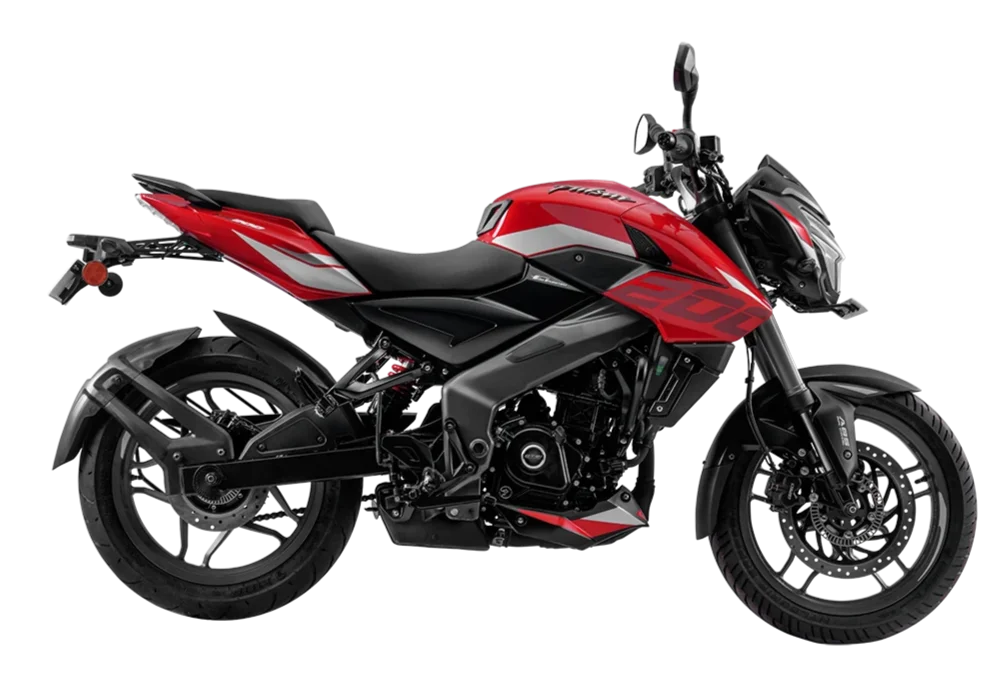
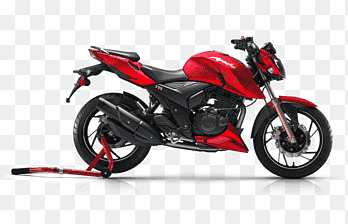
Front and rear tyres may require different air pressures because they carry different loads. The rear tyre usually supports more weight, especially when a passenger or luggage is carried. However, the correct pressure is model-specific and should never be decided only by engine capacity. For example, the Bajaj Pulsar NS200 owner's manual specifies 25 PSI for the front tyre, 28 PSI for the rear when riding solo and 32 PSI for the rear with a pillion. The Royal Enfield Super Meteor 650 manual specifies 41 PSI at the front and 36 PSI at the rear for solo riding, increasing the rear pressure to 41 PSI with a pillion. These examples show why riders should always check their own motorcycle's manual.
Does Tyre Pressure Change With a Pillion?
Yes, some motorcycles require a higher rear tyre pressure when carrying a passenger. Additional weight changes the load placed on the rear tyre, so manufacturers may specify a different pressure for two-person riding. The front tyre pressure may remain unchanged, depending on the model. Never assume that every motorcycle needs the same pressure increase. Check the owner's manual for the solo and pillion recommendations before adjusting the tyres.
Effects of Low Tyre Pressure
Riding with insufficient tyre pressure can cause excessive tyre flexing and heat buildup. It may also increase rolling resistance, affect fuel efficiency and make the motorcycle feel less stable during cornering. Prolonged underinflation can cause premature tyre wear and potentially damage the tyre. Riders should not ignore frequent pressure loss because it may indicate a puncture, damaged valve or air leakage around the rim.
Effects of Excessive Tyre Pressure
Overinflated tyres can reduce the tyre's ability to absorb road irregularities and may affect ride comfort and handling. Excessive pressure can also cause uneven tread wear, depending on the tyre and riding conditions. More air does not automatically mean better mileage or safer riding. Always follow the manufacturer's recommended pressure rather than increasing PSI unnecessarily.
How to Check Motorcycle Tyre Pressure
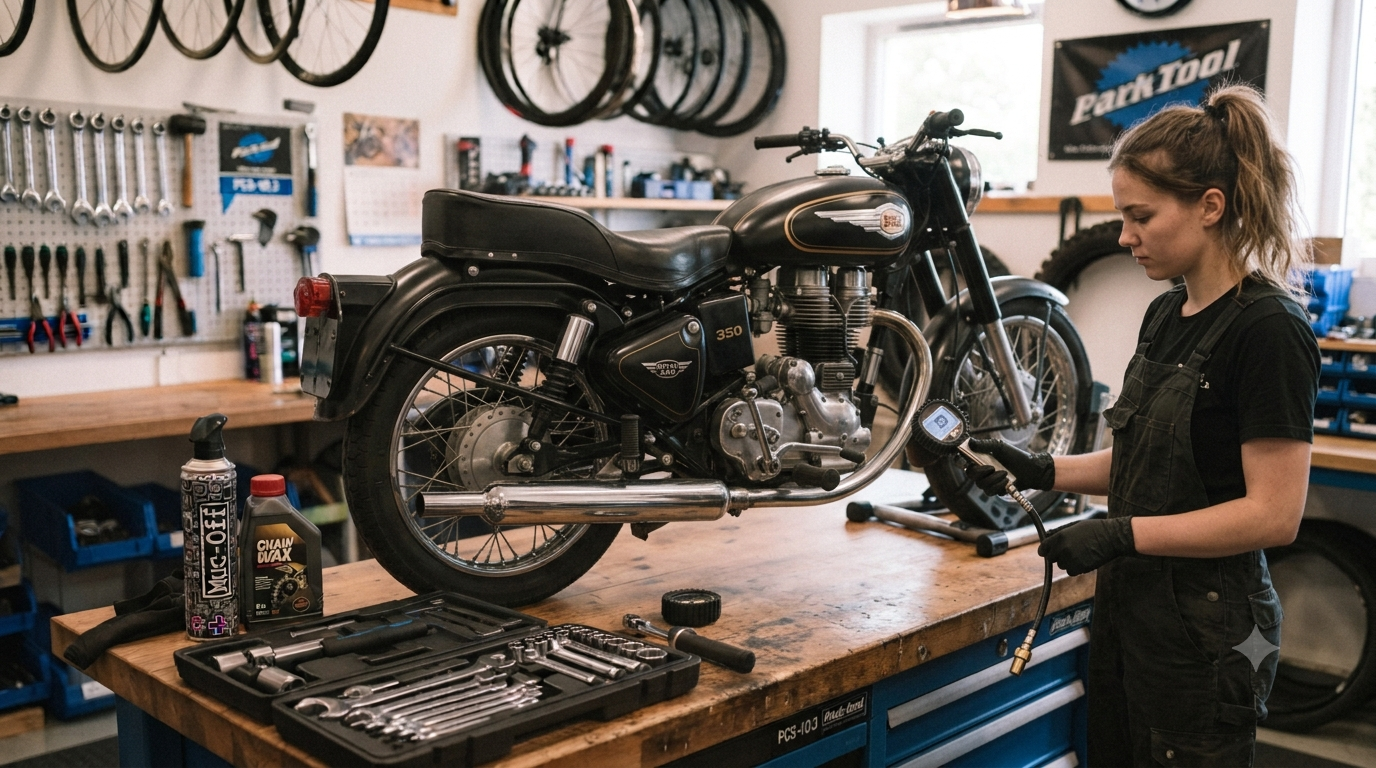
Check tyre pressure when the tyres are cold, preferably before starting a ride or after the motorcycle has been parked for several hours. Use a reliable tyre pressure gauge and compare the readings with the manufacturer's recommendations. Remove the valve cap, attach the gauge securely and note the pressure. Inflate or release air as required, then check the reading again and refit the valve cap. Check both tyres regularly, including before longer journeys. Pressure readings taken immediately after riding may be higher because the tyres become warm.
Does Tyre Pressure Affect Mileage and Performance?
Yes, tyre pressure can influence fuel efficiency, handling and overall riding performance. Underinflated tyres create greater rolling resistance, which can increase the energy required to move the motorcycle. Incorrect pressure can also affect braking response, cornering stability and tyre wear. Maintaining the recommended pressure helps the tyres perform as designed. However, fuel efficiency also depends on riding style, traffic, engine condition, load and road conditions.
Final Verdict
Correct tyre pressure is one of the simplest but most important parts of motorcycle maintenance. Checking the tyres regularly can help reduce unnecessary wear, support predictable handling and improve riding safety. Always use the pressure specified by the motorcycle manufacturer, including separate recommendations for solo and pillion riding. A reliable pressure gauge and a few minutes of regular inspection can make a meaningful difference to long-term tyre maintenance.