Introduction
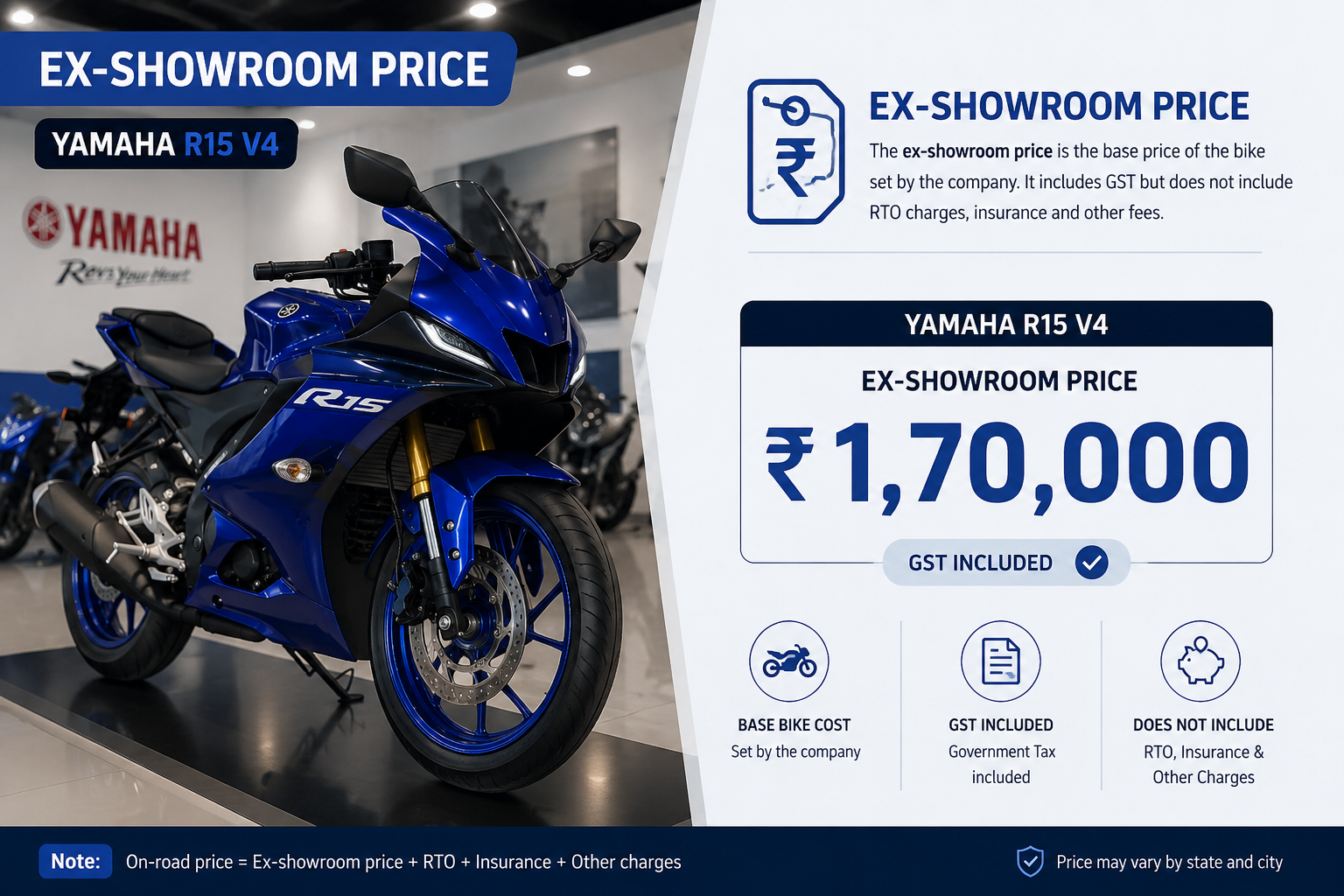
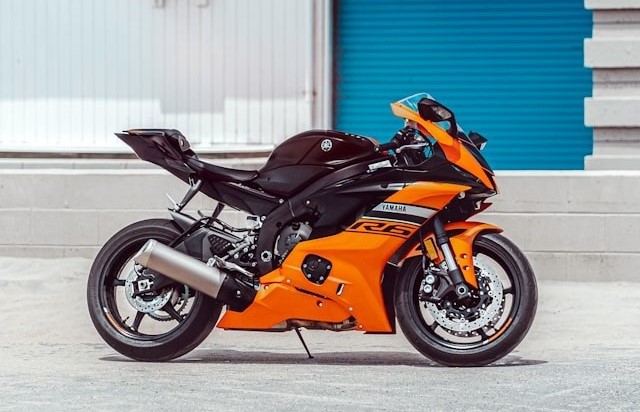
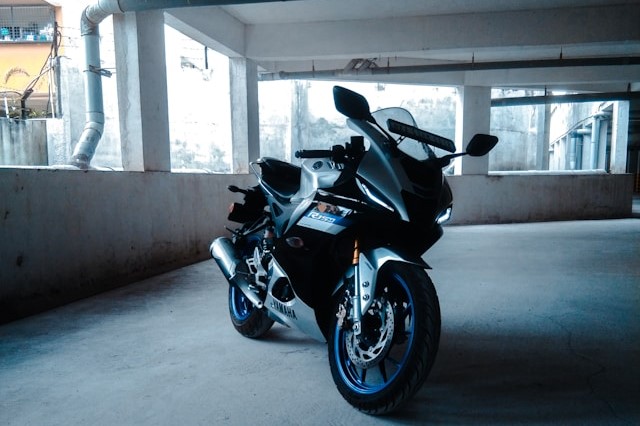
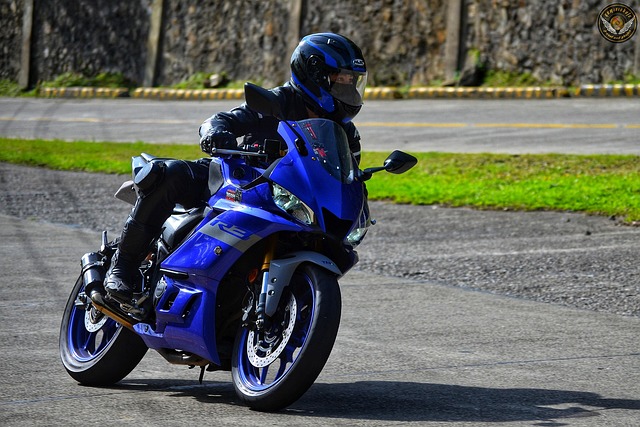
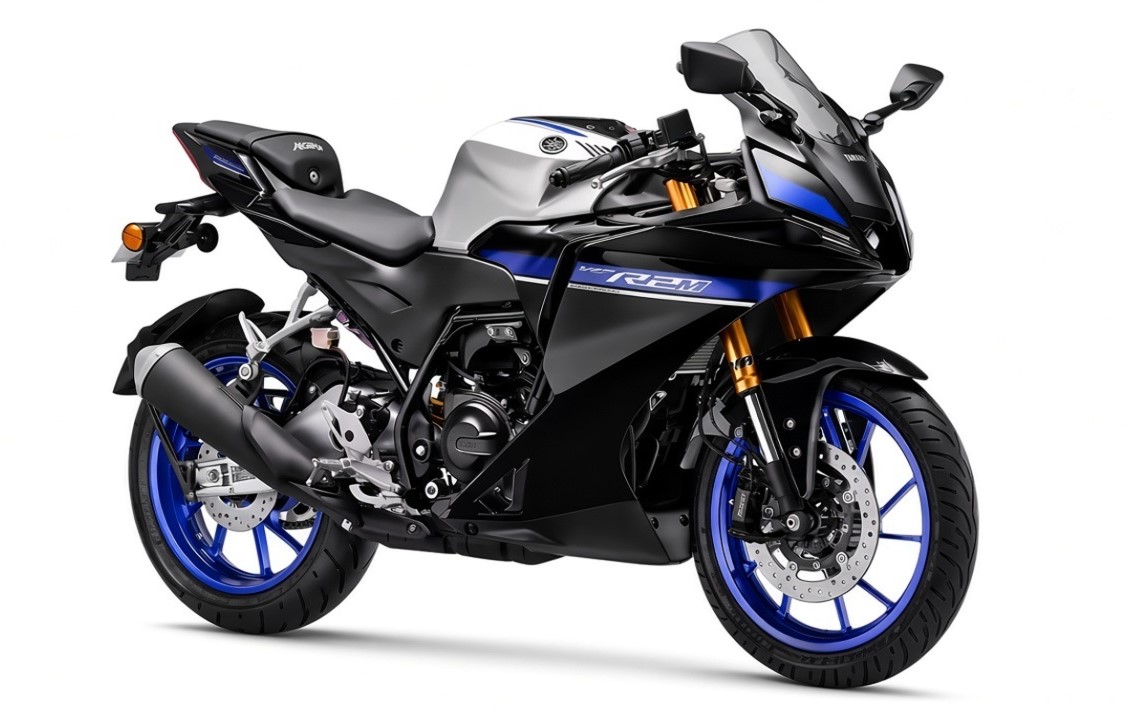
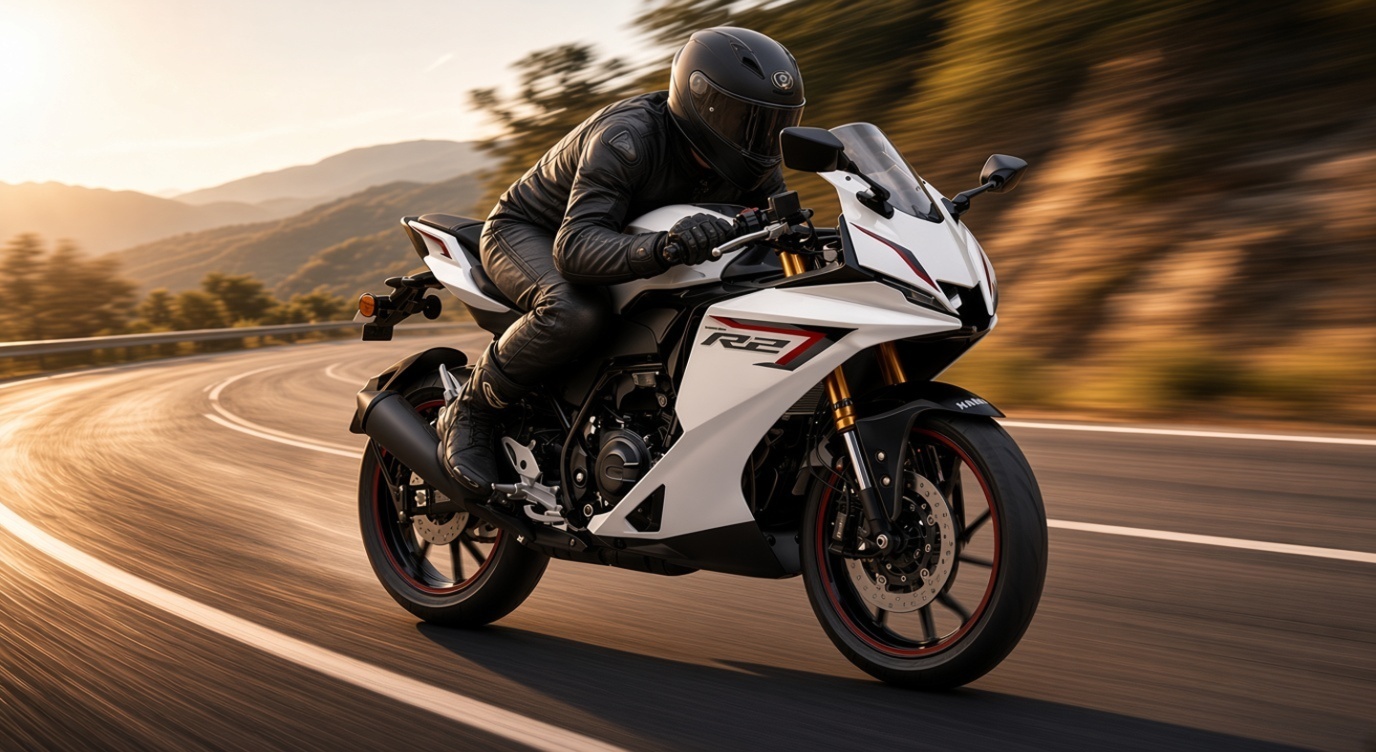
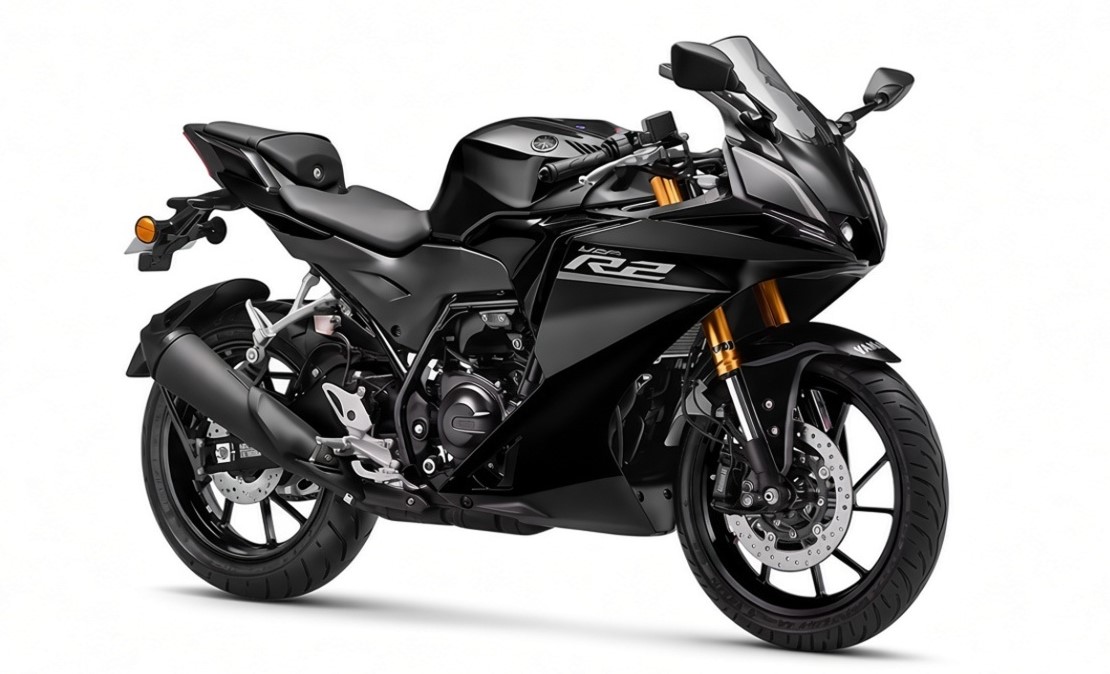
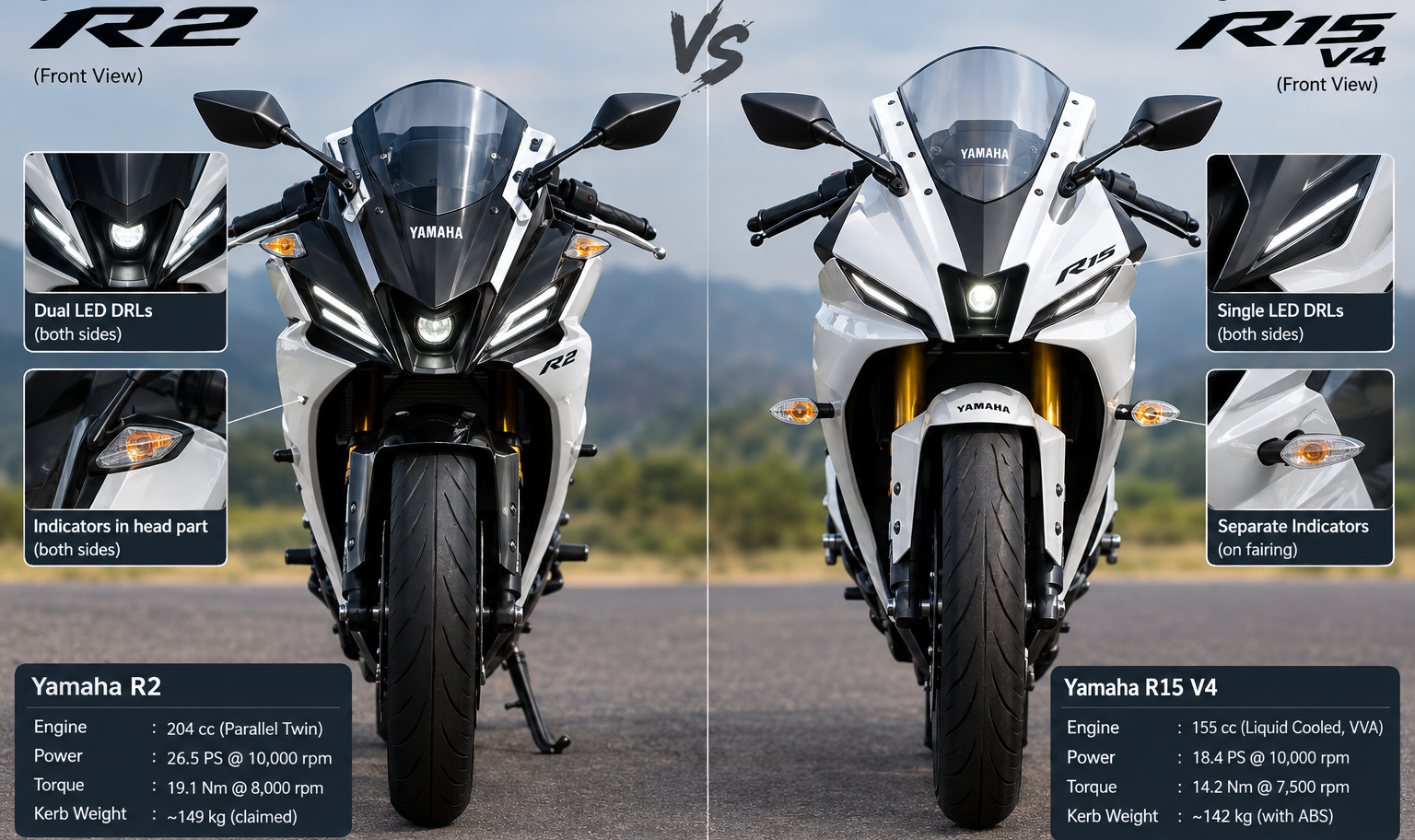
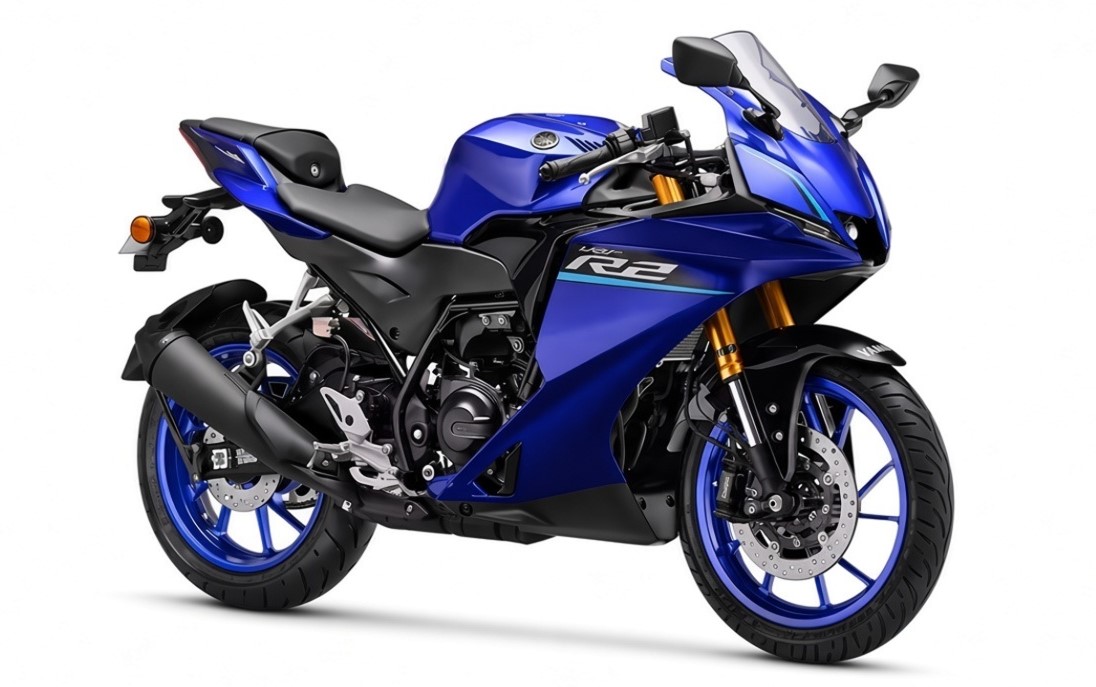
The Yamaha YZF-R2 has just landed in India and the big questions after top speed are the same ones every owner asks: kitna deti hai? Yamaha has not released an official ARAI figure yet. That is normal for a freshly launched model. But looking at the hardware — a 204cc liquid-cooled single making 26.5 PS and 19.1 Nm, a light 149 kg kerb weight, full fairing, and a 12-litre tank — we already have a clear picture of what real-world mileage should look like. For context, the smaller R15 V4 regularly returns 40–48 kmpl depending on how you ride. The KTM RC 200 and Hero Karizma XMR sit in the mid-30s to low-40s. The R2 sits right in the middle of this pack on paper, but its light weight and refined Yamaha engine should help it settle around the 40 kmpl mark overall in everyday Indian use.
How Rival Bikes Perform in Real Life
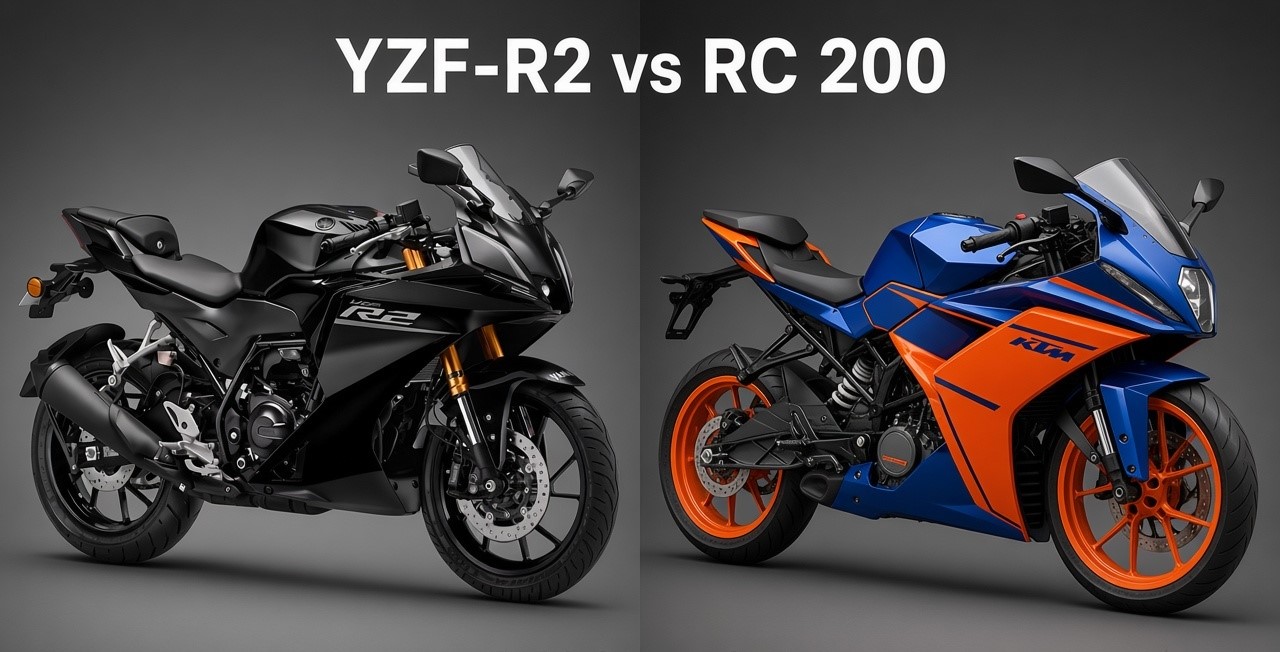
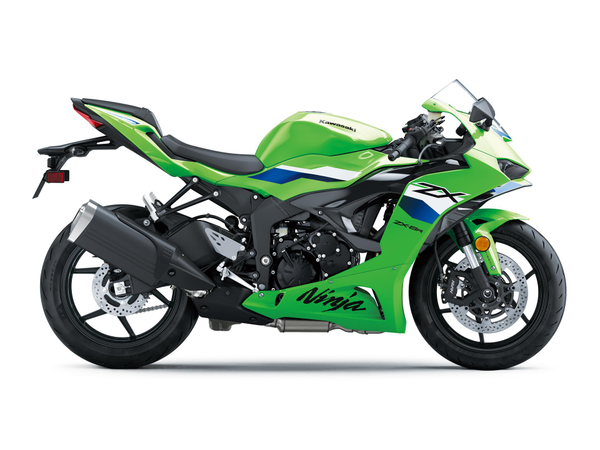
Before estimating the R2, it helps to look at what similar bikes actually deliver on Indian roads. • Yamaha R15 V4 (155cc): Owners and long-term tests show 40–45 kmpl in city traffic and 45–52 kmpl on highways when cruising at 80–90 kmph. Aggressive riding or sustained high speeds drop it to the high 30s. • KTM RC 200 (200cc): Most owners report 32–38 kmpl in mixed use. Highway runs at steady speeds can touch 40–43 kmpl, but the engine is thirstier when you use the power. • Hero Karizma XMR (210cc): Real-world figures usually sit between 32–38 kmpl overall. City riding stays closer to 33–35, while relaxed highway stretches improve it a bit. • Suzuki Gixxer SF 250: Claimed around 36 kmpl; real-world mixed riding is typically 32–38 kmpl. These numbers come from owner reports, long-term ownership logs, and magazine tests under normal Indian conditions — traffic, heat, varying fuel quality, and average riding styles. The R2’s lighter weight and Yamaha’s reputation for efficient singles put it in a strong position to match or slightly beat the better ones in this group.
Realistic Mileage Estimates for the Yamaha R2
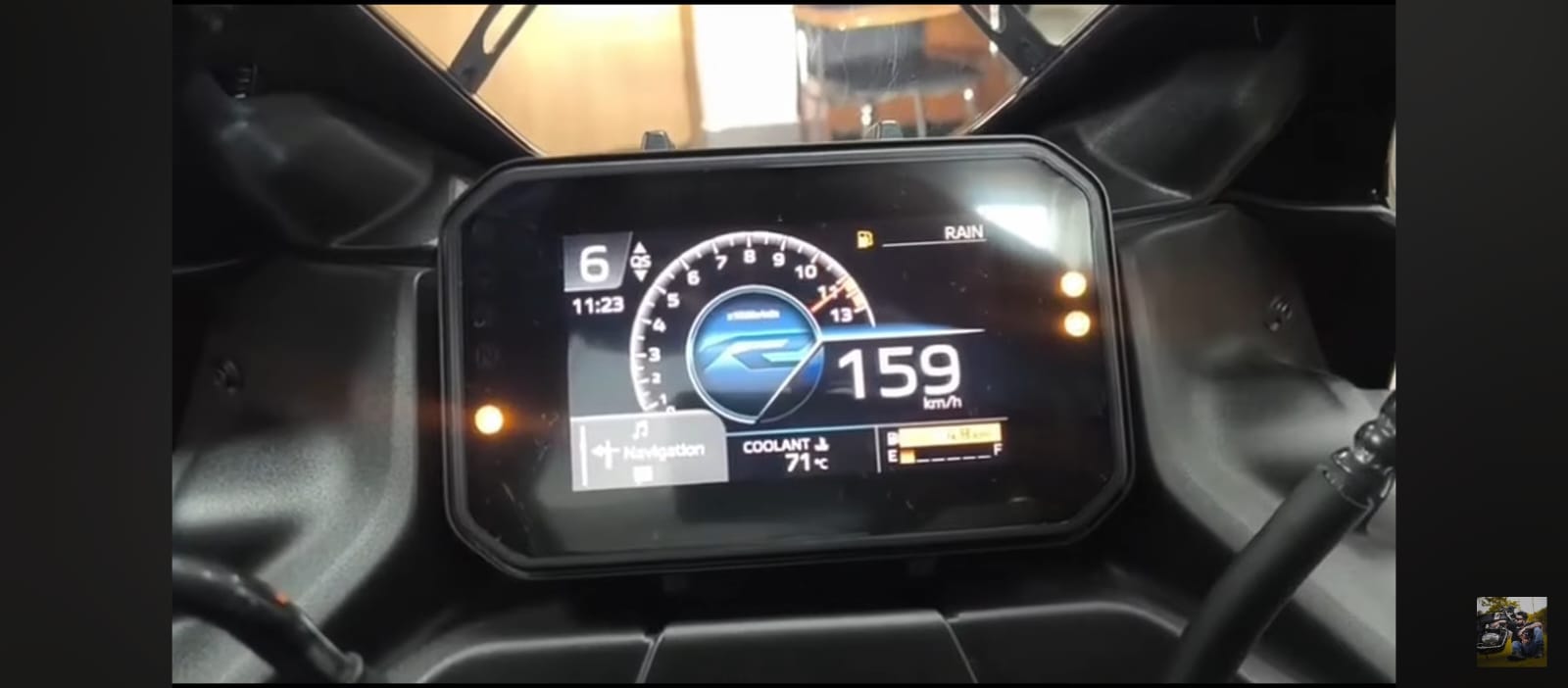
Based on the engine size, power output, weight, aerodynamics, and how similar Yamaha and rival bikes behave, here is what you can realistically expect from the R2 once it has covered a few thousand kilometres and is fully run-in. • City riding (stop-go traffic, 30–50 kmph average): 35–38 kmpl • Highway cruising (70–90 kmph steady): 42–46 kmpl • Mixed riding (daily commute + occasional highway): 38–42 kmpl • Overall realistic average most owners will see: around 40 kmpl The 12-litre tank should therefore give a practical range of roughly 450–480 km between fill-ups in mixed use. Push the bike hard or ride constantly above 100 kmph and the figure will drop into the mid-30s. Ride gently in Eco-friendly Street mode and you can stretch it a little higher.
Why These Numbers Make Sense in Indian Conditions
Several factors work in the R2’s favour under real Indian conditions. First, the 149 kg kerb weight is class-leading. Less mass means the engine does not have to work as hard in traffic or while accelerating from signals. Second, the full fairing and R-series bodywork reduce drag at highway speeds better than most naked or semi-faired 200cc bikes. That helps the highway figure stay healthy. Third, Yamaha’s liquid-cooled singles have a long history of being refined and relatively frugal when not constantly redlined. The new 204cc unit uses DLC-coated finger followers (technology borrowed from the R1) to cut friction, which should help efficiency. On the flip side, the higher peak power and the temptation to use Sport mode or the quickshifter will cost some fuel if you ride enthusiastically every day. Hot weather, poor road surfaces, and pillion weight will also pull the numbers down a bit — completely normal for any sports bike in India.
What Affects Mileage the Most
Like every modern fuel-injected bike, the R2’s real-world efficiency depends heavily on how and where you ride. • Riding style: Constant hard acceleration and high revs will push mileage into the mid-30s. Smooth throttle and early upshifts keep it closer to 42+. • Traffic density: Dense city stop-go is the biggest killer. Open highways are where the bike shines. • Tyre pressure and maintenance: Under-inflated tyres or a dirty air filter can easily cost 2–3 kmpl. • Fuel quality and ethanol blend: The R2 is E20 compatible. Stick to reputable pumps for consistent results. • Load: Solo vs pillion makes a noticeable difference, especially in city riding. Most owners who treat the R2 as a daily sports-commuter rather than a pure track tool should comfortably settle around the 40 kmpl mark after the first couple of services.
Final Take
The Yamaha YZF-R2 is not going to match a commuter scooter, but for a 204cc fully-faired sports bike it looks set to deliver very usable fuel efficiency. Expect 35–38 kmpl in city traffic, 42–46 kmpl on the highway, and an overall real-world average of around 40 kmpl under normal Indian conditions. That puts it ahead of most 200cc rivals in terms of efficiency while still offering the extra power and refinement that make the R2 interesting. Once more owner data and independent tests come in over the next few months, these estimates can be fine-tuned further. For now, the 40 kmpl overall figure is a realistic and honest expectation.
Explore More
Related Reads: • Yamaha YZF-R2 Top Speed 2026 – Real Gear-wise Estimates • Yamaha YZF-R2 Full Review 2026 – Price, Specs & Ownership • Yamaha R15 V4 vs YZF-R2 – Performance Comparison • Best 200cc Sports Bikes in India 2026 • Yamaha R2 On-Road Price in Major Cities