Introduction
Buying a bike in 2026 is not as simple as it looks. With hundreds of models available in the market, each offering different features, performance levels, and pricing, choosing the right bike can feel confusing—especially for beginners. Many people think buying a bike is just about choosing something stylish or powerful. But in reality, it’s about selecting a machine that fits your daily life, your budget, and your long-term needs. This guide is based on real showroom experience, test rides, and practical factors that actually matter in everyday riding conditions in India. If you follow these points carefully, you can avoid common mistakes and make a smart, confident decision.
My Personal Experience
When I went to buy my first bike, I thought I would just pick the most stylish one and leave. But once I entered the showroom and started exploring different options, I quickly realized how complex the decision actually is. Sales representatives started talking about engine capacity, mileage, service intervals, maintenance cost, and resale value. That’s when I understood that buying a bike is not just about looks—it’s about making a practical choice that will affect your daily life for years. From mileage and comfort to engine performance and long-term reliability, every factor plays an important role. Ignoring even one of these can lead to regret later.
1. Understand Your Daily Usage
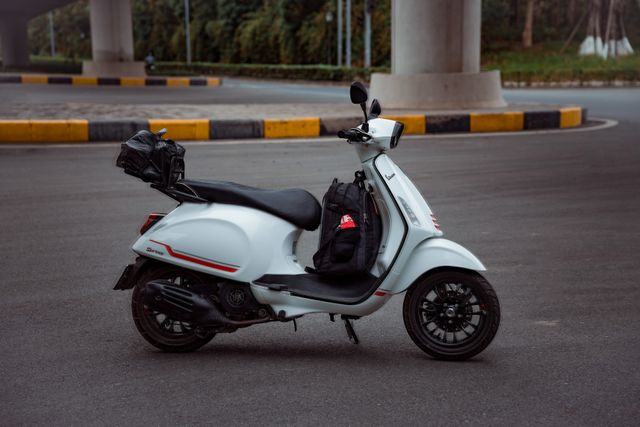
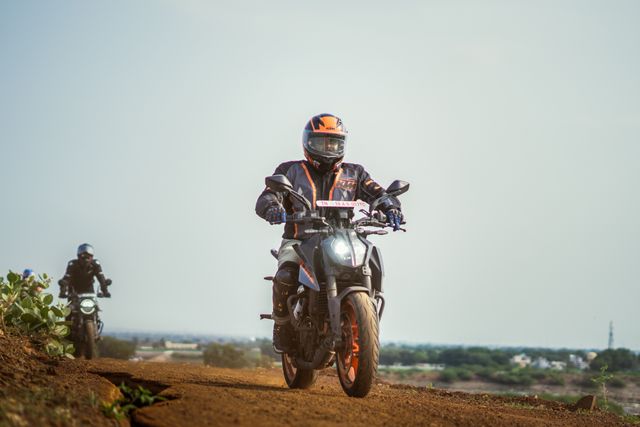
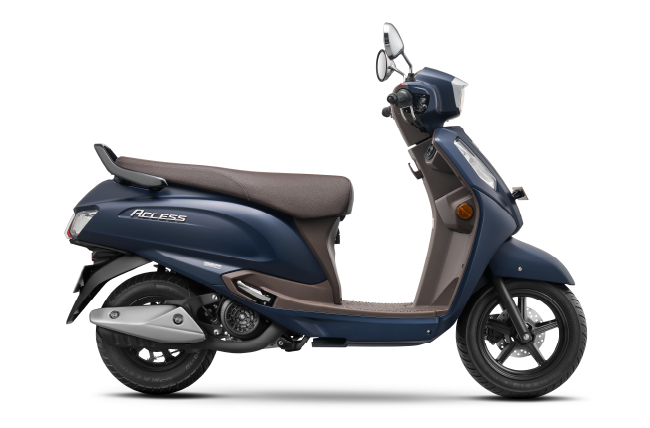
The first and most important step before buying any bike is understanding how you will use it daily. This might sound simple, but most people completely ignore this step. If your daily routine involves heavy traffic, short distances, and frequent stops, then you need a bike that is easy to handle, comfortable to ride, and fuel-efficient. On the other hand, if you enjoy long rides or frequently travel on highways, you will need a bike with better power, stability, and braking performance. City riding means you should prioritize comfort, mileage, and smooth handling. Highway riding calls for power, stability, and strong braking. For mixed usage, choose a balanced bike that can handle both without compromising too much. Choosing a bike that matches your real usage will make your daily experience much better and save you from frustration later.
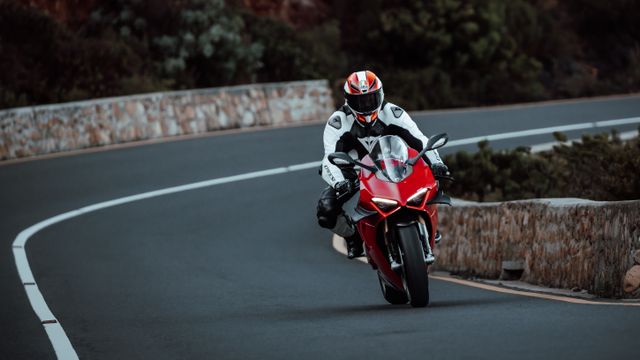
Match your bike to your actual daily usage – city vs highway riding
2. Engine Capacity – 150cc vs 200cc and Above
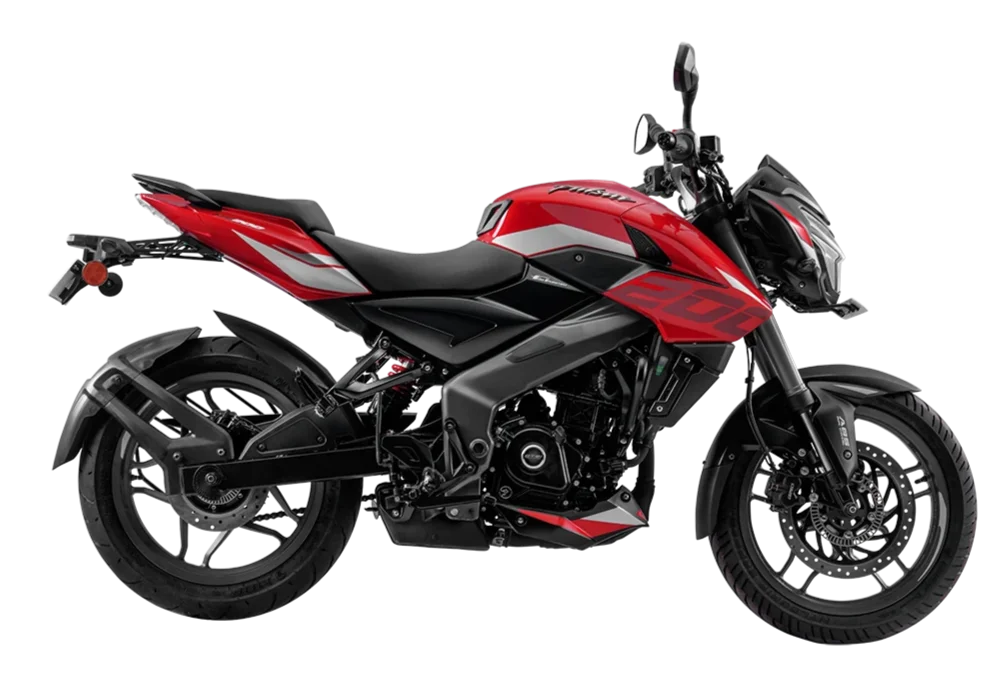
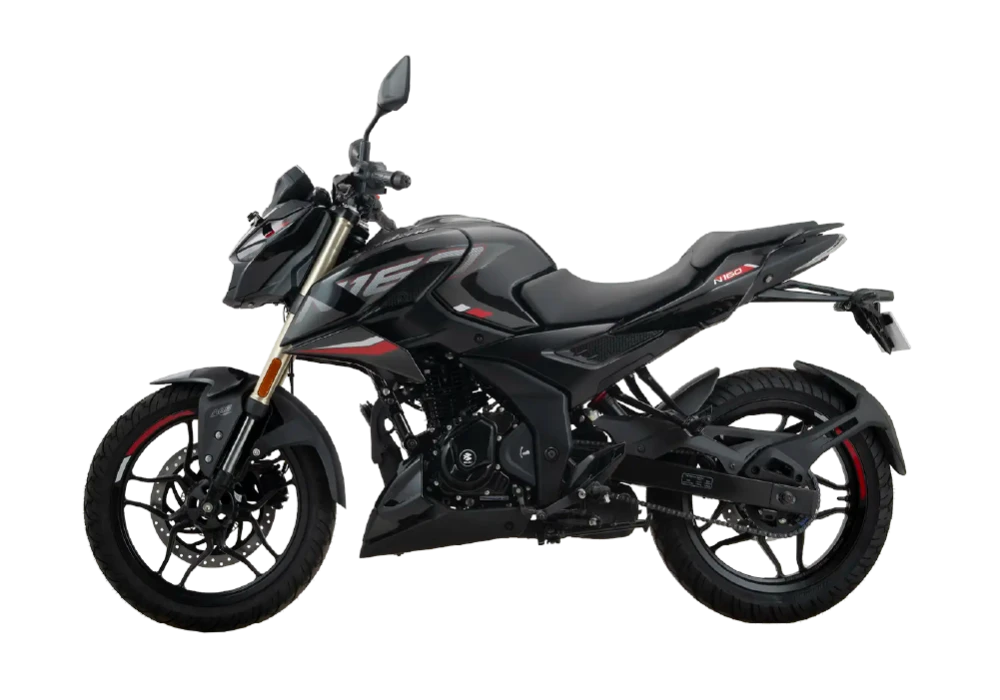
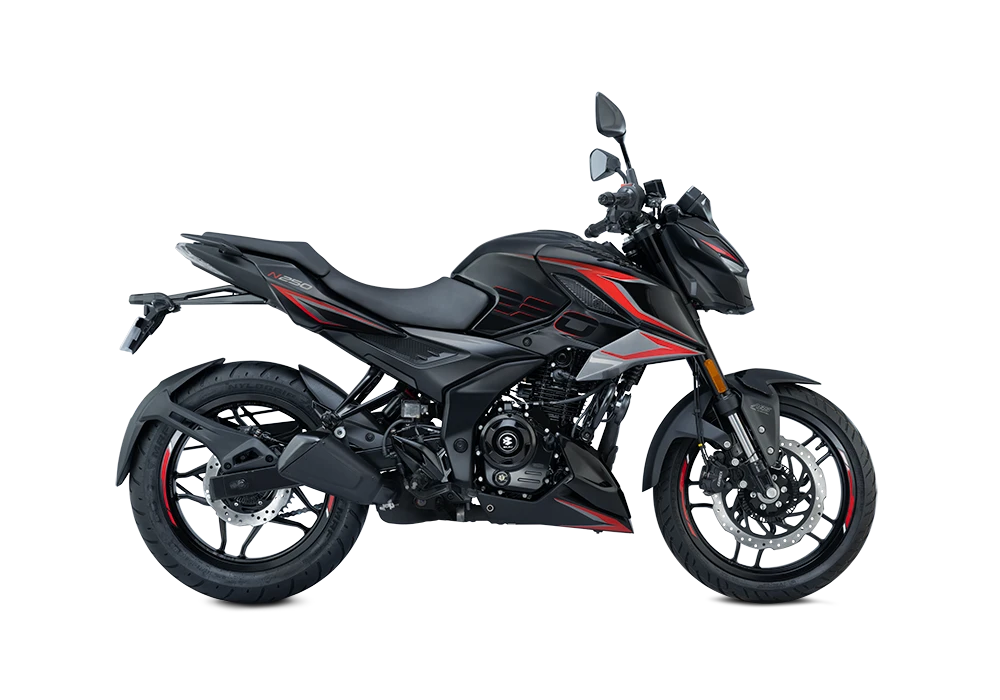
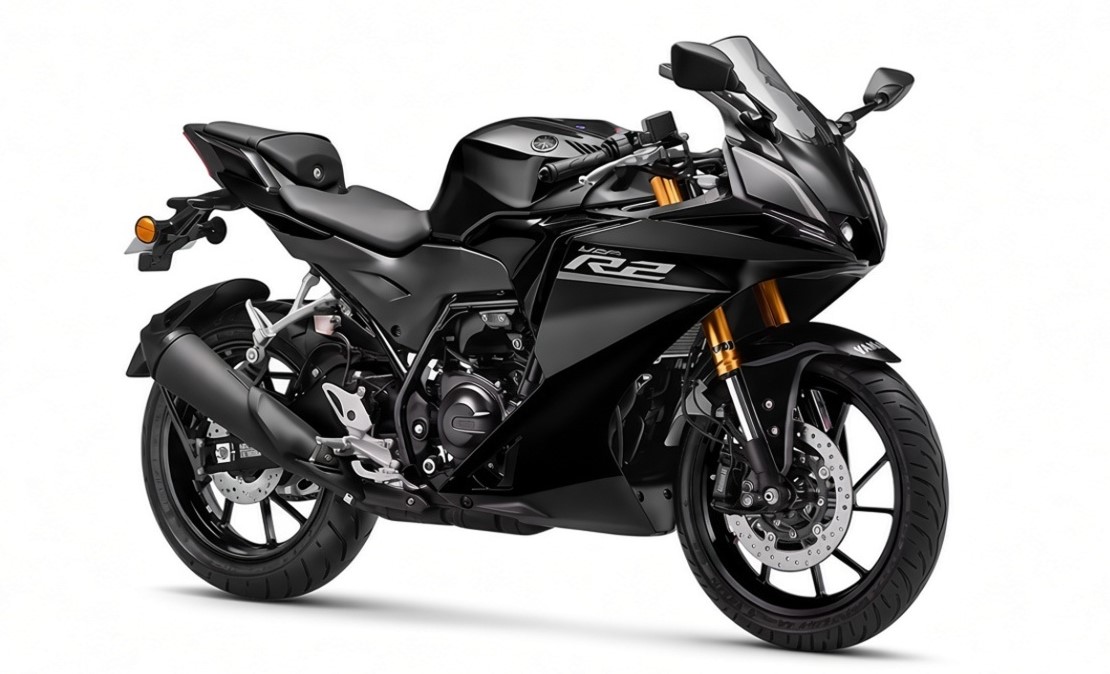
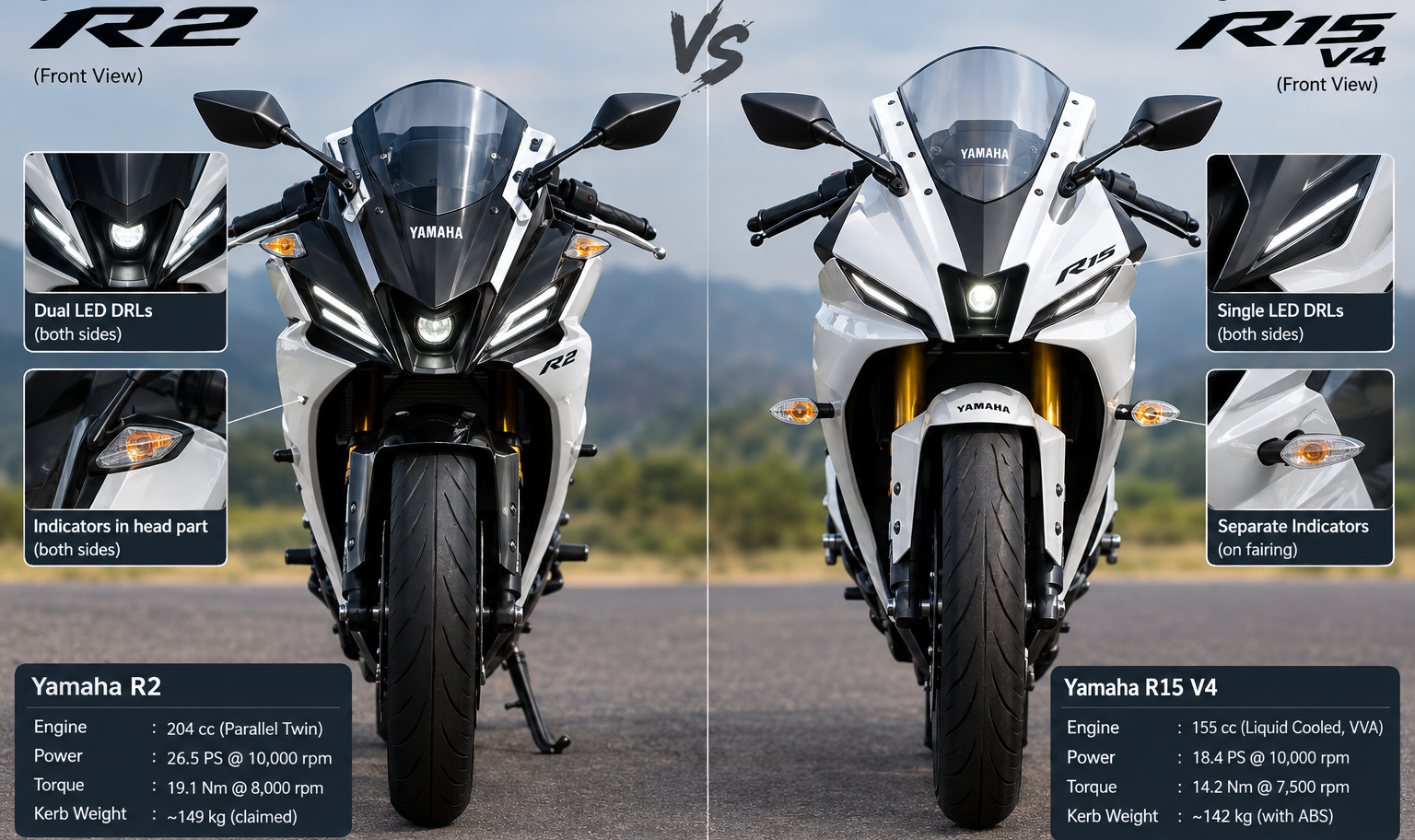
One of the most common confusions among buyers is choosing between 150cc and 200cc bikes. Both categories are popular and offer different advantages. 150cc bikes are generally lighter, more fuel-efficient, and easier to manage in city traffic. They are ideal for beginners and daily commuters who mostly ride in crowded Indian cities like Mumbai, Delhi, or Bangalore. 200cc bikes provide more power and better performance, making them suitable for highway rides and long-distance travel on roads like the Mumbai-Pune Expressway or Delhi-Jaipur highway. However, they may feel slightly heavier and consume more fuel. 150cc offers better mileage, easier handling, and lower maintenance. 200cc and above gives more power, better acceleration, and highway comfort. Your choice should depend on your riding needs, not just what your friends recommend. Tip: Always take a test ride of both categories. The real feel of a bike on Indian roads can completely change your decision.
3. Comfort Matters More Than You Think
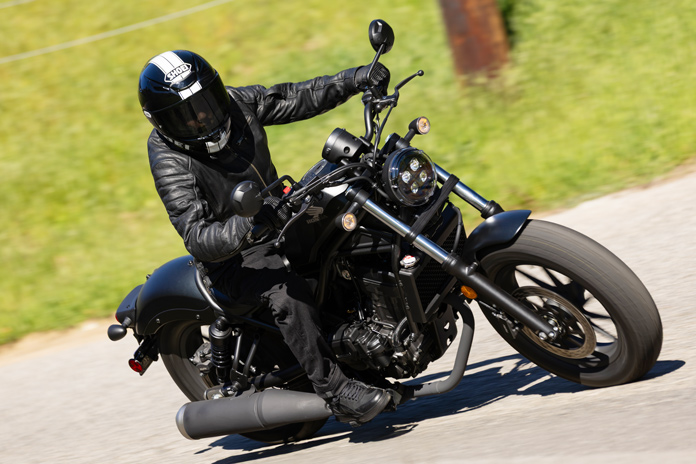
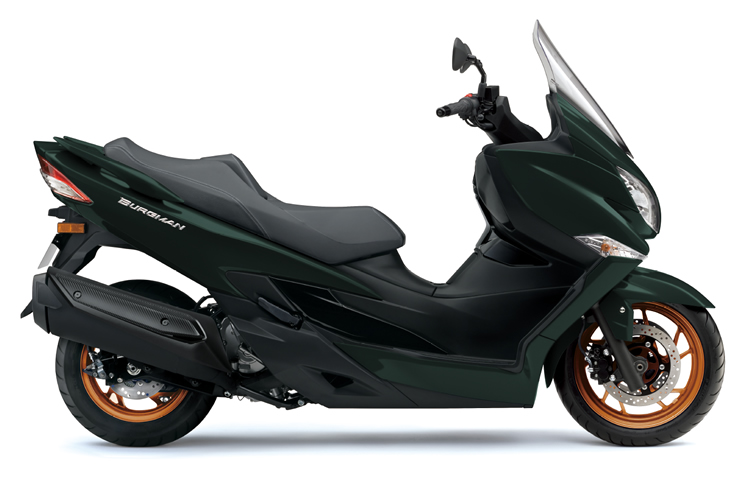
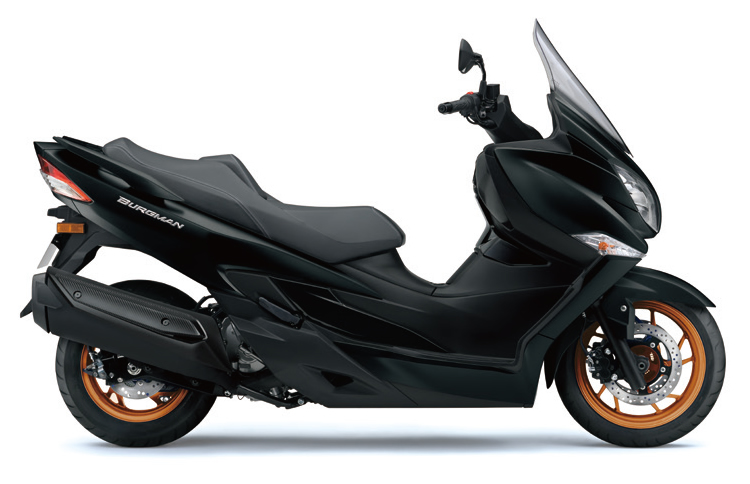
Comfort is one of the most important factors, but it is often ignored by buyers. A bike may look attractive and powerful, but if it is not comfortable, you will not enjoy riding it daily. Seat height, cushioning, handle position, and suspension all contribute to comfort. These things cannot be judged by looking at specifications alone. A bike that feels fine for a short ride in the showroom may become uncomfortable during longer rides in real Indian conditions with potholes and bad roads. Always make sure the bike suits your body type and riding posture. This will reduce fatigue and make your rides more enjoyable. For taller riders, check seat height carefully. For daily office commuters, look for upright posture and good pillion comfort if you carry family members often.
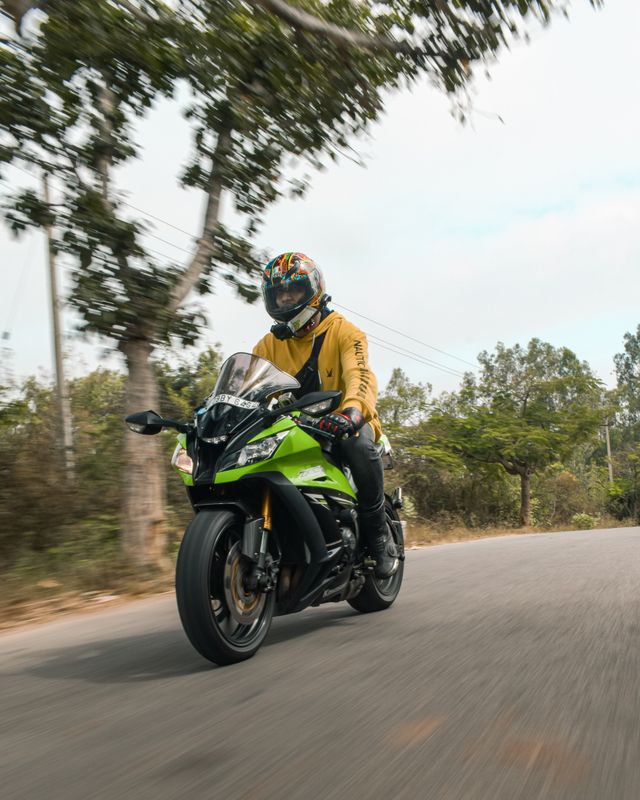
Comfort is key for daily riding – always test the ergonomics properly
4. Mileage vs Performance – Finding the Right Balance
Mileage is one of the biggest concerns for most buyers, especially in India where fuel prices keep rising. However, focusing only on mileage can lead to poor decisions. While a fuel-efficient bike saves money, it should not come at the cost of comfort and performance. Similarly, a high-performance bike with very low mileage may increase your daily expenses significantly. The best approach is to find a balance between mileage and performance. Daily commuters should give more importance to mileage. Weekend riders and enthusiasts can prioritize performance. Balanced users should choose a mid-range option. Real-world mileage always differs from company claims, so talk to actual owners in your city before finalizing.
5. Maintenance, Service Network and Long-Term Costs
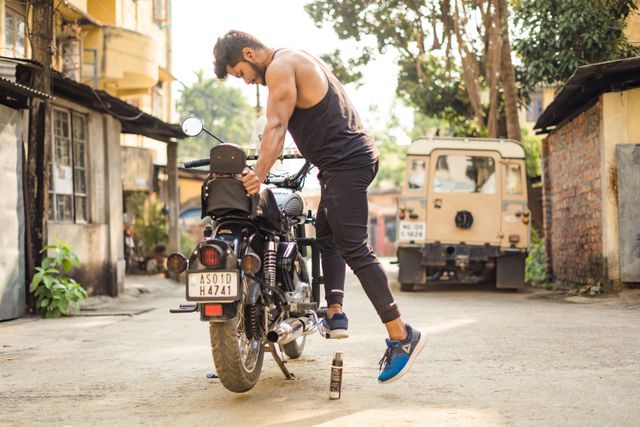
Buying a bike is not just about the initial cost. Maintenance is a long-term factor that affects your overall experience and pocket. Before buying, always check the availability of service centers in your area, especially if you live in smaller towns. Also, research the cost of spare parts and regular servicing. Check nearby service centers, compare maintenance costs across brands, look at brand reliability, and check availability of spare parts. A bike with low maintenance and good service support will save you time, money, and stress in the long run. Brands like Hero, Honda, and Bajaj have wider networks, while premium brands like KTM or Royal Enfield may cost more but offer better experience at authorized centers.
6. Budget Planning – Beyond Ex-Showroom Price
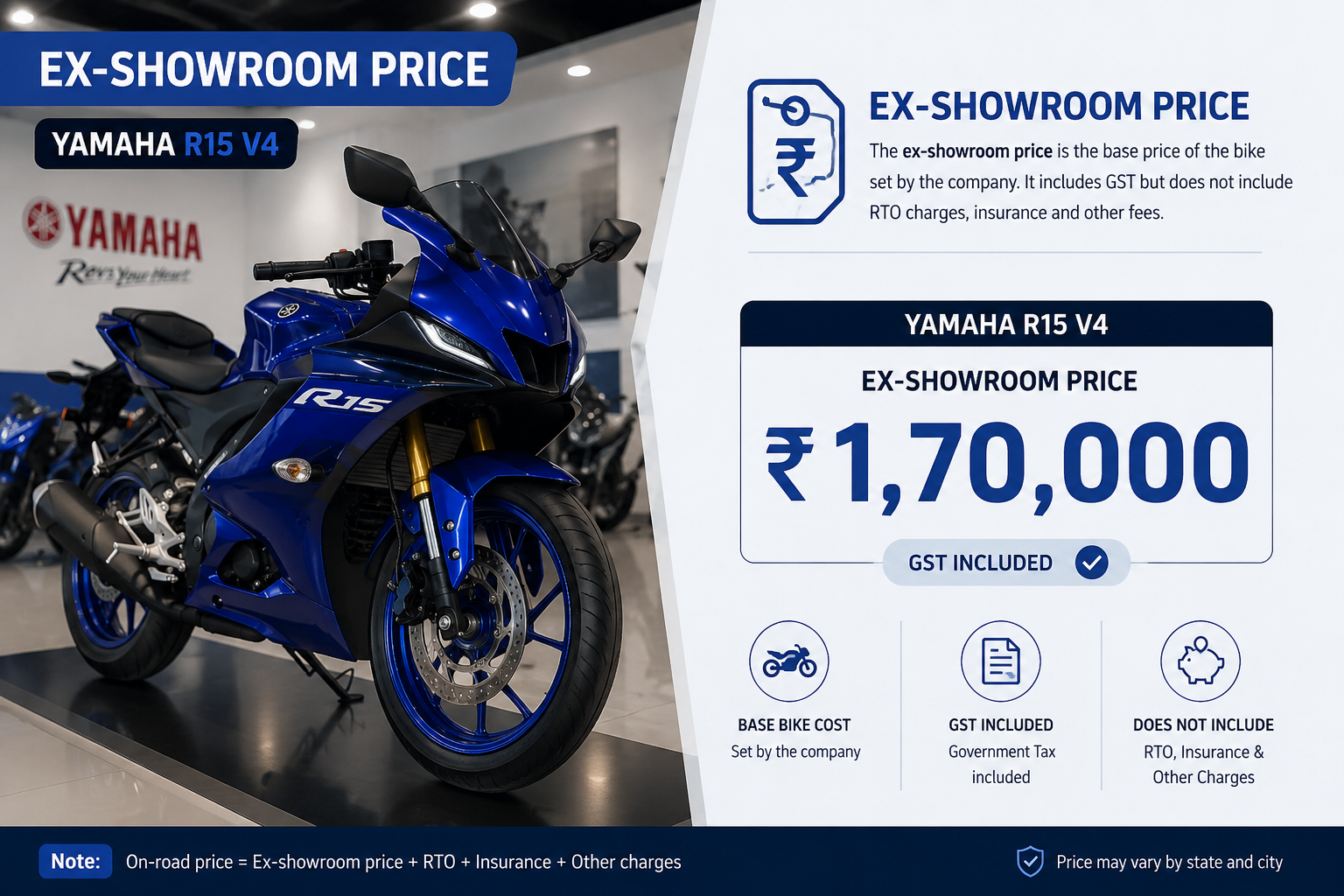
Most buyers focus only on the ex-showroom price of the bike, but there are many additional costs involved. These include insurance, registration, RTO charges, fuel, accessories, and regular maintenance expenses. Always calculate on-road price properly. Factor in insurance cost, registration charges, fuel expenses, and service and maintenance. Planning your budget properly will help you avoid financial stress later. Always keep some extra buffer for unexpected expenses like tyre replacement or minor repairs. If you are taking a loan, compare interest rates from different banks and NBFCs.
7. Test Ride and Practical Checks
Never buy a bike without a proper test ride. Sit on the bike, check the reach to handlebars and footpegs, and see if you feel comfortable. Start the engine and listen for any unusual noise. Ride it in traffic conditions similar to your daily route if possible. Check braking performance, acceleration, and how the suspension handles speed breakers and potholes. Talk to current owners on forums or in your locality to understand real-world issues. Check resale value on platforms like OLX and BikeWale – some bikes hold value much better than others.

Always take a proper test ride before buying – it’s the most important step
8. Safety Features to Look For in 2026
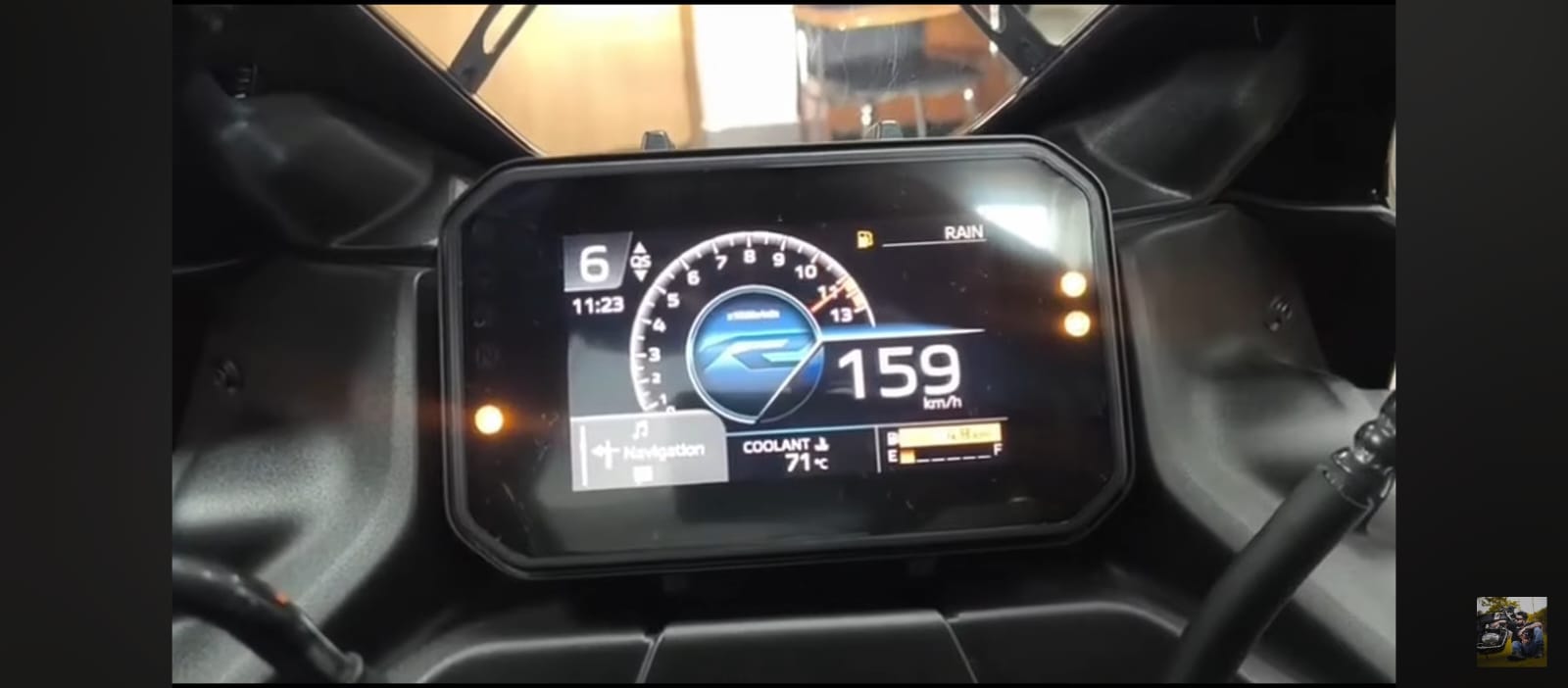
Safety has become much better in 2026. Look for dual-channel ABS, good headlights (preferably LED), and stable handling. Traction control, ride modes, and Bluetooth connectivity are bonuses but not mandatory for everyone. For beginners, ABS is a must. Good tyres and strong brakes can save your life on wet Indian roads during monsoon.
Final Thoughts
Choosing the right bike is not about buying the most expensive or most powerful option. It’s about finding a bike that fits your lifestyle perfectly. Take your time, do proper research, visit multiple showrooms, and test ride multiple options before making a final decision. A well-informed choice today will give you years of comfort, performance, satisfaction, and happy riding memories. Whether you are buying your first bike or upgrading to something better, make sure it matches your needs rather than just following trends. Safe riding always!