Introduction
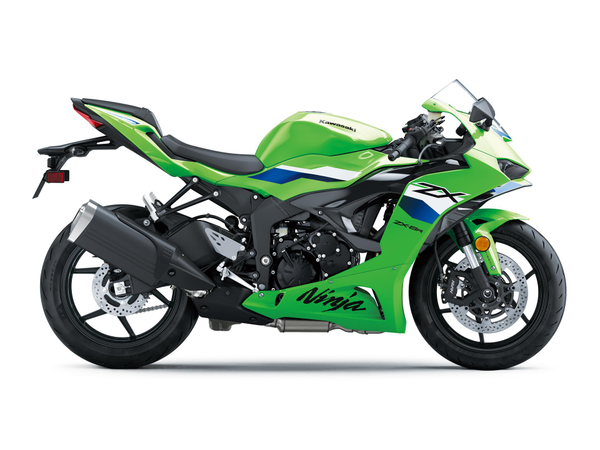
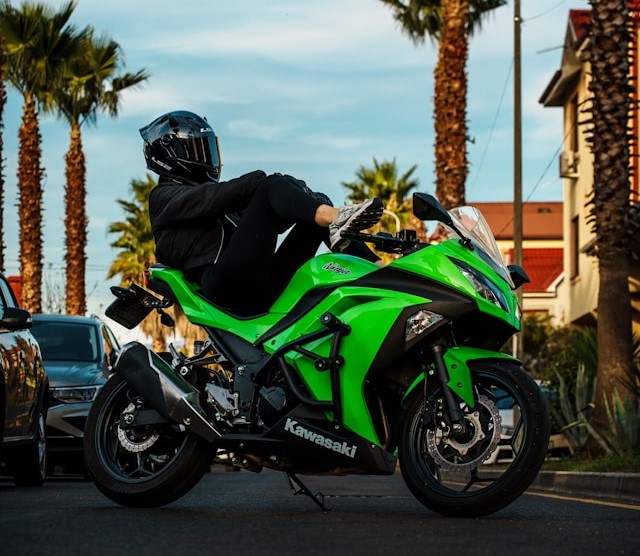
The Kawasaki Ninja 500 has quickly become one of the most popular entry-level sports bikes in India. Powered by a refined 451cc liquid-cooled parallel-twin engine that produces around 45 PS and 42.6 Nm of torque, it sits in the sweet spot between beginner-friendly and genuinely exciting. Kawasaki lists a claimed top speed of approximately 190 kmph for the Ninja 500. In the real world, GPS-verified runs usually settle between 180 and 185 kmph. Under ideal conditions, the speedometer can climb to 200 kmph. This article breaks down exactly what those numbers mean and what owners can realistically expect.
Claimed vs Real-World Top Speed
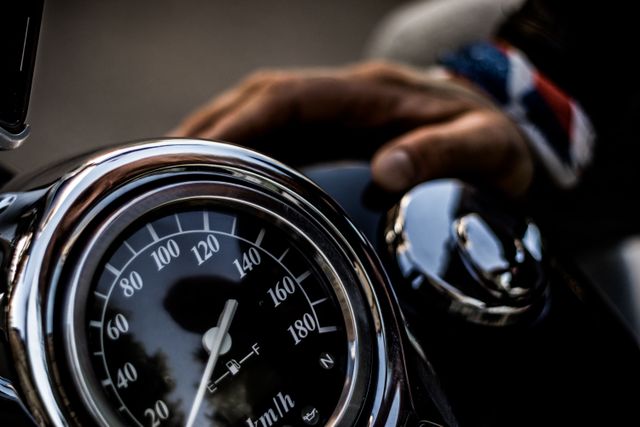
Kawasaki’s claimed top speed for the Ninja 500 is 190 kmph. Independent tests and owner GPS data give a clearer picture: • Claimed top speed: 190 kmph • Typical real-world GPS top speed: 180–185 kmph • Speedometer reading in normal conditions: 185–195 kmph • Best-case indicated top speed: 200 kmph Most GPS runs on flat roads with a normal-weight rider settle around 180–185 kmph. The speedometer over-reads by roughly 5–10 kmph, which is common on many Japanese bikes. That is why the needle can show close to 200 kmph while true GPS speed remains lower.
Best-Case 200 kmph – When It Happens
Seeing 200 kmph on the speedometer is possible but needs near-perfect conditions. These factors help: • Light rider (under 70–75 kg) • Fully tucked riding position behind the screen • Slight downhill or strong tail wind • Fully warmed engine and correct tyre pressures • Long, clean straight with no traffic • Stock exhaust and well-maintained drivetrain Under these conditions the parallel-twin engine can push the speedometer needle to 200 kmph. GPS speed in the same run usually stays in the 185–190 kmph range.
Power Specs and Everyday Performance
The Ninja 500 uses a 451cc liquid-cooled parallel-twin engine producing approximately 45 PS at 9,000 rpm and 42.6 Nm of torque at 6,000 rpm. It is paired with a smooth 6-speed gearbox and an assist-and-slipper clutch. • 0–100 kmph: around 5.2–5.5 seconds • Comfortable highway cruising: 120–140 kmph • Absolute top end: 180–185 kmph (GPS) / up to 200 kmph (indicated) In daily riding most owners spend their time between 80 and 130 kmph. The engine feels strong in the mid-range and remains smooth even when you ask for higher speeds. The bike stays stable and confidence-inspiring at 140–150 kmph, which is more than enough for Indian highways.
Why These Numbers Make Sense
Several factors explain the Ninja 500’s top-speed behaviour: First, the 451cc twin is tuned for a balance of mid-range punch and reliability rather than absolute peak power. 45 PS is healthy for the class but not extreme. Second, the full fairing and relatively low seating position help aerodynamics compared with naked bikes, but the bike still carries the weight and frontal area of a proper sports machine. Third, the gearing is set for usable acceleration and everyday riding rather than pure top-end chasing. This makes the bike more practical while still allowing high indicated speeds under ideal conditions. Despite these points, the Ninja 500 offers more than enough performance for safe overtaking and comfortable high-speed cruising.
Real-World Expectations in India
On Indian roads the practical top speed most riders will experience is 170–185 kmph GPS. Traffic, road quality and safety considerations mean very few people will regularly push the bike to its absolute limit. The 200 kmph figure on the speedometer should be treated as a best-case maximum rather than an everyday number. High-speed runs still require proper gear, a clear road and good judgement. Where the Ninja 500 really shines is in how easily it reaches and holds 120–150 kmph while remaining stable, refined and fun to ride.
Final Take
The Kawasaki Ninja 500 delivers a claimed top speed of 190 kmph. Real-world GPS figures usually fall between 180 and 185 kmph. In the best possible conditions the speedometer can reach 200 kmph. That is more than adequate for a 451cc sports bike aimed at both new and experienced riders. The Ninja 500 prioritises usable performance, refinement and everyday usability over pure top-speed numbers — and it succeeds well in those areas. For most owners the ability to cruise comfortably at 130–150 kmph with strong mid-range torque matters far more than the final few kilometres on the speedometer.
Explore More
Related Reads: • Kawasaki Ninja 500 Full Review 2026 – Price, Specs & Ownership • Ninja 500 vs Yamaha R3 – Performance Comparison • Best 400-500cc Sports Bikes in India 2026 • Kawasaki Ninja 500 On-Road Price in Major Cities • Real-World Mileage of the Kawasaki Ninja 500