Introduction
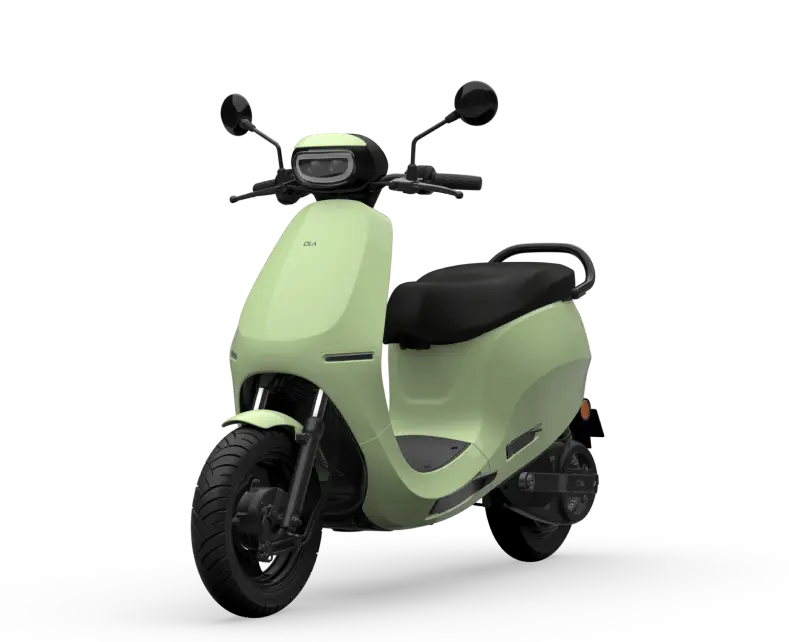
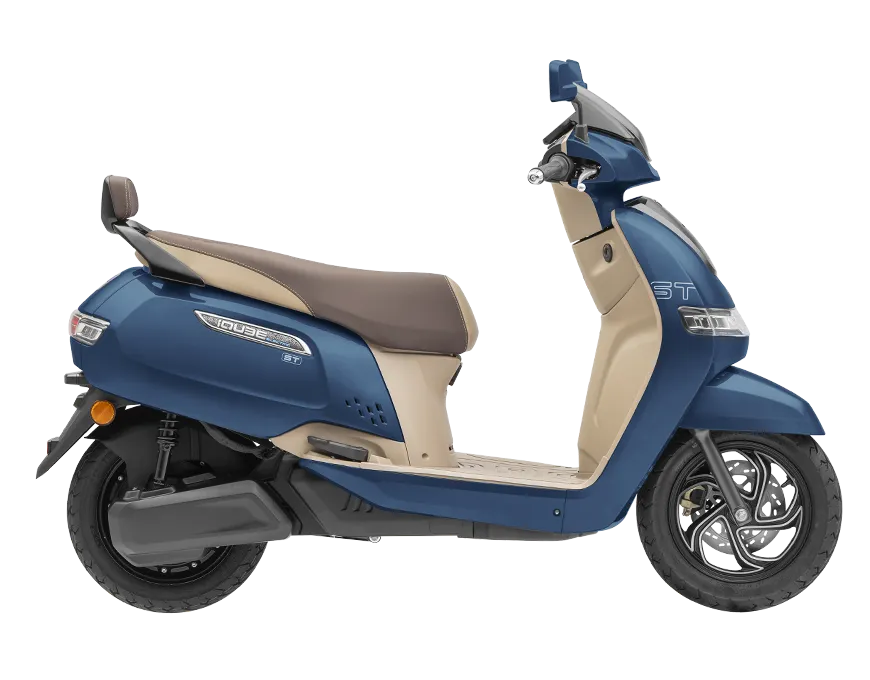
Buying an electric scooter looks perfect on paper. Low running cost, silent ride, no petrol smell, and modern features. But what happens after six months or two years of real daily use in Indian conditions? This article is based on common patterns from actual owners — people who use their electric scooters for office, college, grocery runs, and everything in between. No marketing language. Just the practical side that shows up once the honeymoon period is over.
The Good Parts – What Owners Genuinely Like
Most people who stick with their electric scooter mention these points repeatedly: **Running cost is shockingly low** Many owners report spending ₹200–400 a month on electricity for 800–1200 km of riding. Compared to ₹1,800–2,500 on petrol for the same distance, the difference is real and noticeable every month. **The ride feels smoother and less tiring** No engine vibration, no clutch, no gear shifting. In heavy city traffic this makes a bigger difference than most people expect. Several office-goers say they arrive less tired than they used to on their old petrol scooter. **Home charging is convenient (when it works)** If you have a dedicated parking spot with a plug point, charging overnight becomes completely routine. Many owners treat it like charging a phone — plug in at night, unplug in the morning. **Almost zero regular maintenance** No engine oil changes, no spark plugs, no air filter cleaning. Service visits are mostly tyre pressure, brake checks, and software updates. This is one of the strongest long-term advantages.
The Real Problems Owners Talk About
These are the issues that come up most often once people have lived with the scooter for a while: **Range drops in real conditions** Claimed range is almost never what you get. In city traffic with one pillion, AC on (if available), and average speeds, most mid-range scooters deliver 70–100 km on a full charge. In peak summer or with aggressive riding, it can fall further. Owners who regularly need 50+ km one way start feeling the limit. **Charging becomes a mental load** If you don’t have reliable home charging, public charging is still inconsistent in many cities. Waiting for a charger, finding one that works, and dealing with slow charging speeds frustrates people. Even with home charging, longer trips require planning. **Battery health over time** After 18–24 months, some owners notice the real-world range has reduced by 10–20%. Battery replacement cost remains high (often ₹25,000–45,000 depending on the model), and this is the biggest long-term worry for many. **Performance with two people + bags** Electric scooters feel strong when ridden solo. With a pillion and shopping bags, acceleration and hill performance can feel limited on many models, especially the more affordable ones. **Resale and service network** Resale value is still weaker than petrol scooters in most cities. Service experience varies a lot by brand — some are excellent, others leave owners waiting for parts or trained technicians.
Who Is Actually Happy After One Year+
From real ownership patterns, the happiest users usually share these traits: • Daily commute is under 40–50 km total • They can charge at home or office almost every day • They mostly ride alone or with light loads • They stay within city limits most of the time • They value silence and low monthly cost more than maximum flexibility People who are less satisfied typically: • Frequently travel 60+ km in a day • Have no fixed charging point • Regularly carry a pillion and luggage • Need the scooter for mixed city + outstation use
Overall Ownership Experience – The Balanced View
After living with an electric scooter for a year or more, most owners land somewhere in the middle. They love the low running cost and the smooth, quiet ride. Many say they would not go back to a petrol scooter for pure city use. At the same time, almost everyone develops a new kind of awareness — constantly checking the battery percentage, planning longer days more carefully, and worrying a little about battery life after two years. It is not a perfect replacement for a petrol scooter. It is a different kind of vehicle that works extremely well for a specific type of rider and lifestyle.
Final Verdict from Real Users
If your daily life fits the electric scooter’s strengths (fixed city routes, reliable charging, mostly solo or light use), most owners who have lived with one for over a year still recommend it. The money saved and the quieter ride are real benefits they feel every week. If your usage is unpredictable, includes longer distances, or you cannot charge easily, many of the same owners say a good petrol scooter is still less stressful. The technology has improved a lot by 2026, but the fundamental trade-offs remain the same: lower running cost and smoother ride versus less flexibility and battery concerns over time.
Explore More
Related Reads: • Petrol Scooters vs Electric Scooters – Uses & Benefits 2026 • Best Electric Scooters for Daily Commute Under ₹1.2 Lakh • Real Range Test of Popular Electric Scooters in City Traffic • Electric Scooter Battery Life After 2 Years – Owner Reports • How Much Does It Actually Cost to Run an Electric Scooter Monthly