Introduction
Scooters are still the most practical two-wheeler for millions of people in India. Whether you are going to college, office, the market, or just moving around the city, a scooter remains the easiest and most convenient option. In 2026 the choice is no longer just between different petrol models. Electric scooters have become a serious option for many buyers. The big question is not which one looks better on paper — it is which one actually fits your daily life, your budget, and the way you ride. This article looks at the real uses, practical benefits, and common use cases of both petrol and electric scooters. No hype, just clear differences so you can decide what makes sense for you.
Everyday Uses – What Most People Actually Need a Scooter For
Most scooter buyers in India use their vehicle for the same core jobs: • Daily commute to office or college (5–25 km one way) • Short trips within the city – market, school drop, bank, hospital • Carrying a pillion and small shopping bags • Occasional longer rides on weekends Both petrol and electric scooters handle these jobs well. The difference shows up in running cost, convenience of refuelling/charging, and how much mental bandwidth the vehicle takes from you every day.
Petrol Scooters – Where They Still Shine
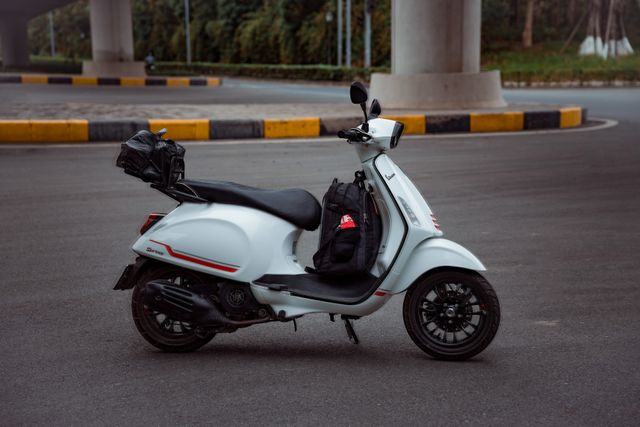
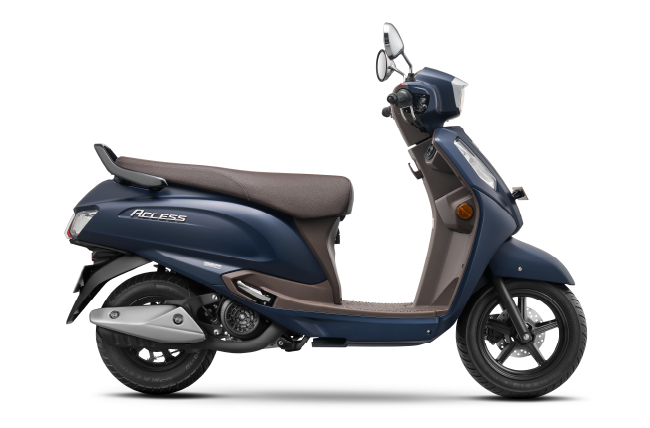
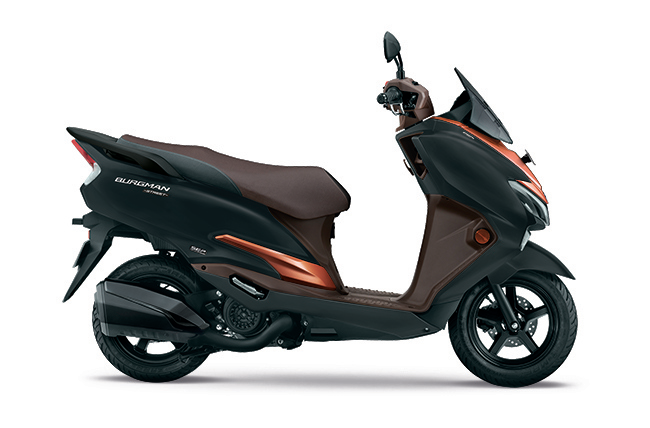
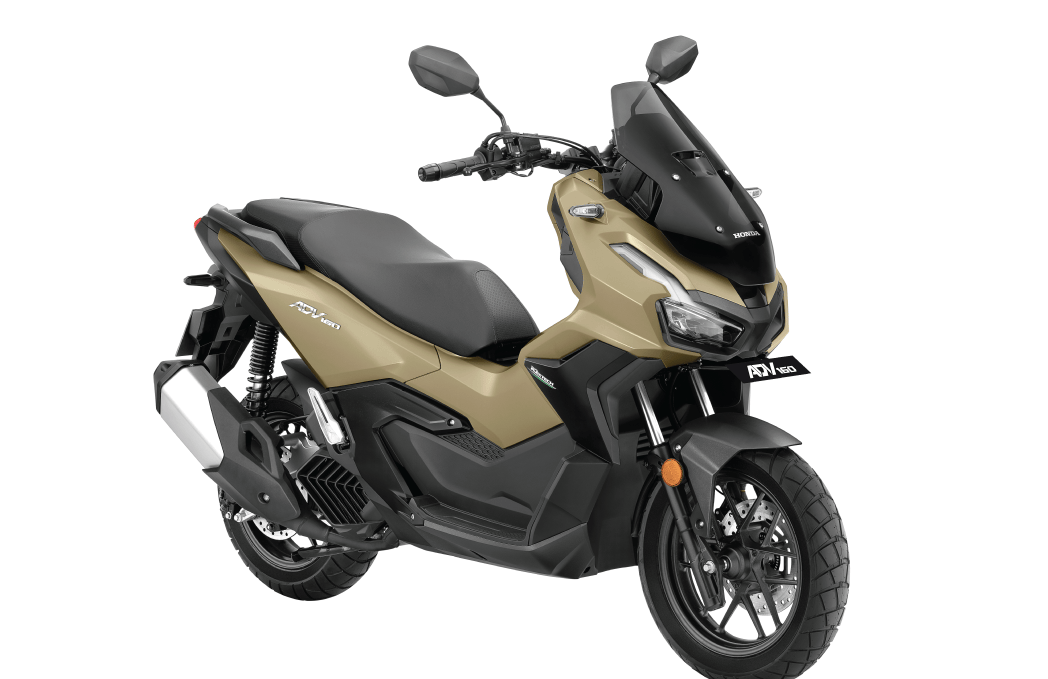
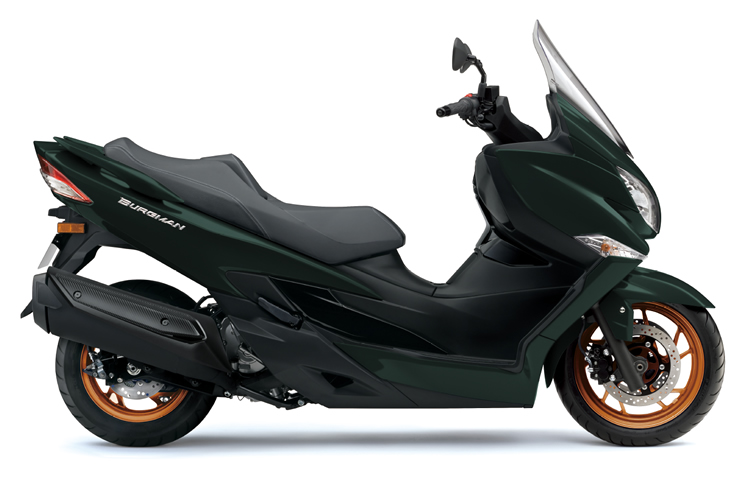
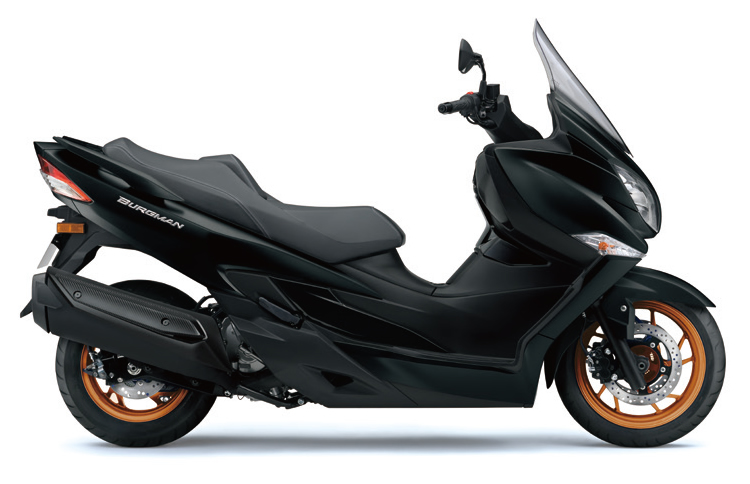
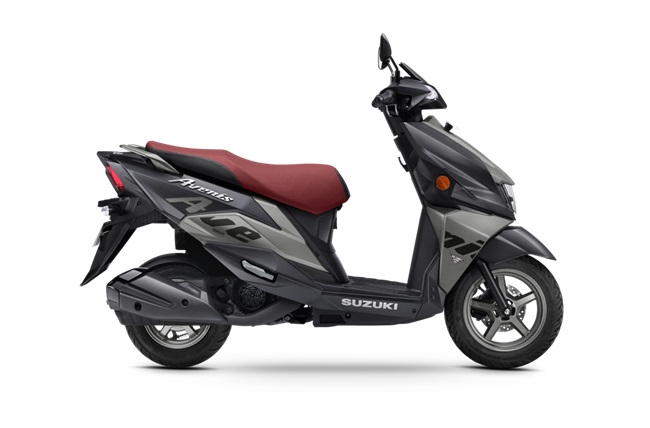
Petrol scooters remain the default choice for a large number of people, and for good reasons. Key strengths: • Instant refuelling – fill up in 2 minutes and you are ready for 200–300 km • No range anxiety on longer days or unexpected trips • Proven reliability and easy service network across India • Better performance when fully loaded (two people + bags) • Higher resale value in most cities even after 3–4 years Best use cases for petrol scooters: • People who do mixed city + occasional highway or inter-city travel • Riders who cannot charge at home or office regularly • Families who share the scooter and need flexibility every day • Buyers who prefer lower upfront cost and simple ownership A good 110–125cc petrol scooter still delivers 45–55 kmpl in real city conditions and remains the most hassle-free option for many.
Electric Scooters – Real Benefits That Matter in Daily Life
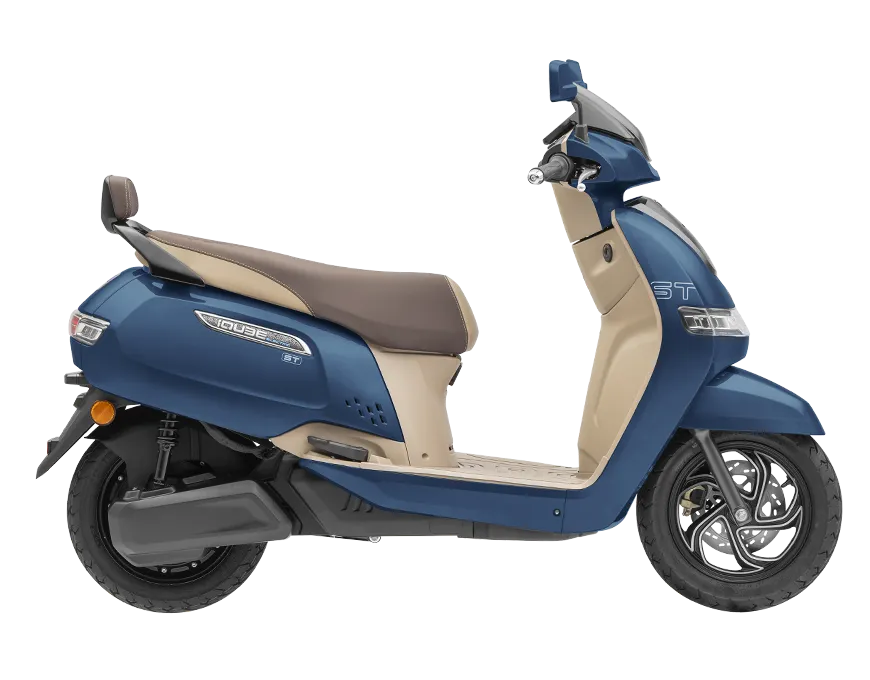
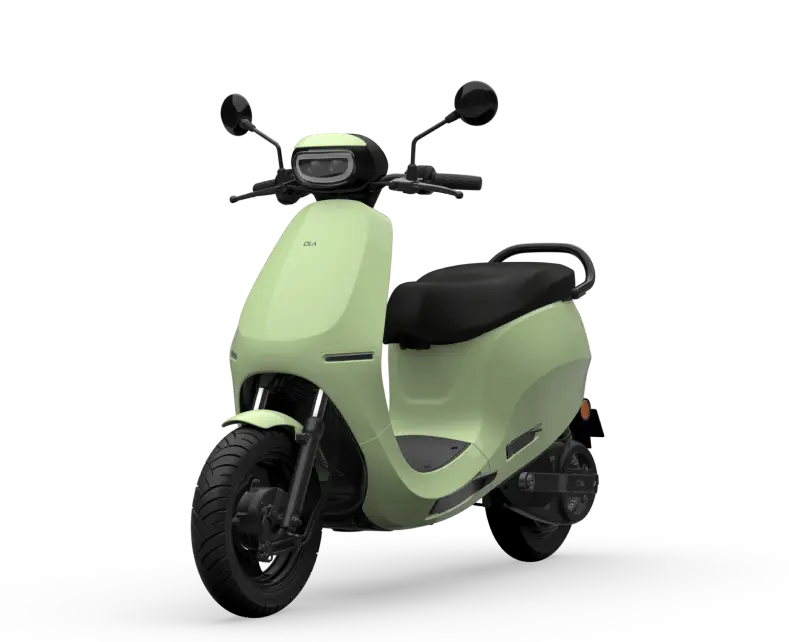
Electric scooters have improved a lot in the last two years. The better ones now make genuine sense for certain riders. Main advantages: • Extremely low running cost – often ₹0.15–0.30 per km versus ₹1.5–2.0 for petrol • Silent and smooth ride – much less fatigue in stop-go traffic • Almost zero engine maintenance (no oil changes, no clutch, fewer moving parts) • Instant torque makes city acceleration feel effortless • Home charging is convenient if you have a parking spot with a plug Best use cases for electric scooters: • Pure city commute under 40–50 km per day with reliable home or office charging • Riders who want the lowest possible monthly running cost • People living in apartments or societies with charging points • Buyers who value quietness and modern features (app, navigation, multiple modes) The trade-off is still range and charging time. A real-world 80–110 km range is common on good models, but if you frequently do more than that or travel outside the city, planning becomes necessary.
Cost of Ownership – The Real Budget Picture
Upfront price of a decent electric scooter is still higher than a comparable petrol model. But the gap in running cost is large. Rough monthly cost (assuming 800–1000 km): • Petrol scooter: ₹1,600–2,200 (fuel + basic service) • Electric scooter: ₹150–350 (electricity) + occasional service Over 3–4 years the electric scooter can save a noticeable amount if you charge at home and do only city riding. If you rely on public charging or do mixed long-distance use, the savings reduce and the petrol scooter becomes more practical.
Other Practical Use Cases
Beyond the daily commute, here is how both types are actually used: Petrol scooters work better for: • Delivery partners who need maximum daily range without charging stops • Families who use the scooter for mixed city and outstation trips • Areas with unreliable electricity or no easy charging access Electric scooters work better for: • Students and office-goers with fixed routes and home charging • Riders who hate the smell, heat and noise of a petrol engine • People who want a modern, feature-rich experience with lower long-term cost Both are used as secondary vehicles in many households — one for the main earner and one for the rest of the family.
Which One Should You Buy in 2026?
Choose a petrol scooter if: • Your daily distance is unpredictable or often crosses 50–60 km • You do not have reliable home or office charging • You want maximum flexibility and easy resale later • Your budget is tighter on the purchase price Choose an electric scooter if: • Your daily commute is mostly under 40–50 km and you can charge at home • You want the lowest possible running cost • You value silence, smoothness and modern features • You are okay with planning longer trips more carefully There is no single “best” option. The right choice depends on your actual daily distance, charging access, and how much mental effort you want to put into the vehicle.
Final Take
Petrol scooters are still the most flexible and worry-free choice for a large number of Indian riders in 2026. They just work, every day, without planning. Electric scooters have become a smart, money-saving option for pure city users who can charge regularly. The running cost advantage is real, and the riding experience is genuinely nicer in traffic. Look at your actual weekly kilometres, your parking situation, and how often you leave the city. That will tell you more than any brochure.
Explore More
Related Reads: • Best Budget Electric Scooters Under ₹1 Lakh in 2026 • Real Range of Popular Electric Scooters in City Conditions • Petrol Scooter Maintenance Cost vs Electric • Top 110cc Petrol Scooters for Daily Use 2026 • How to Decide Between Petrol and Electric Scooter