Introduction
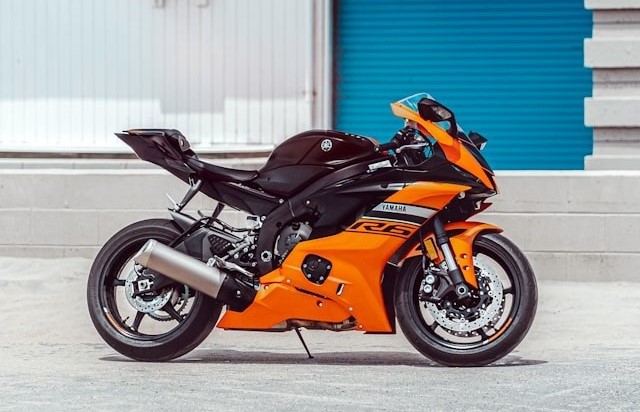
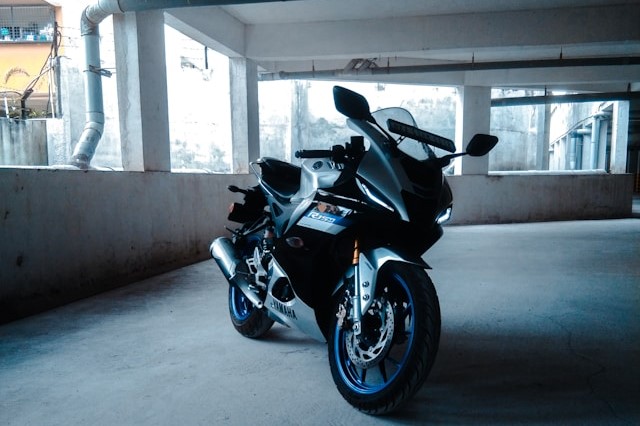
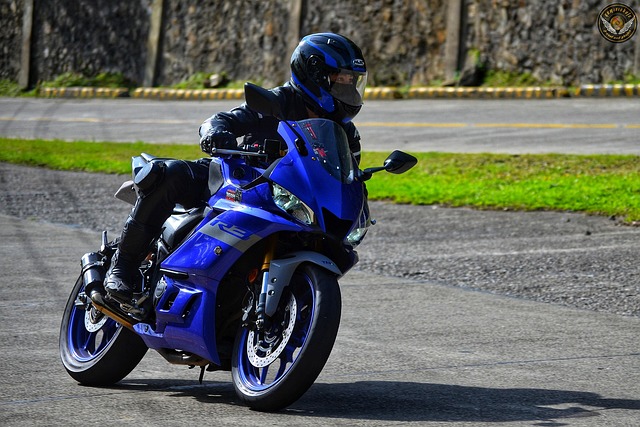
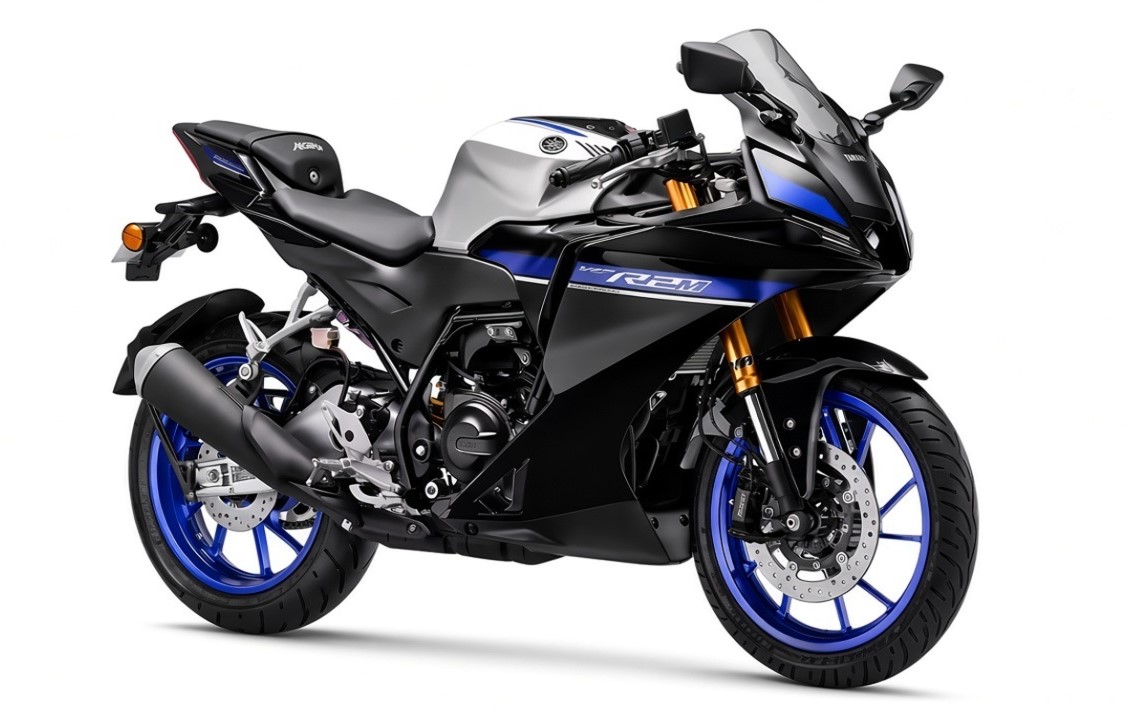
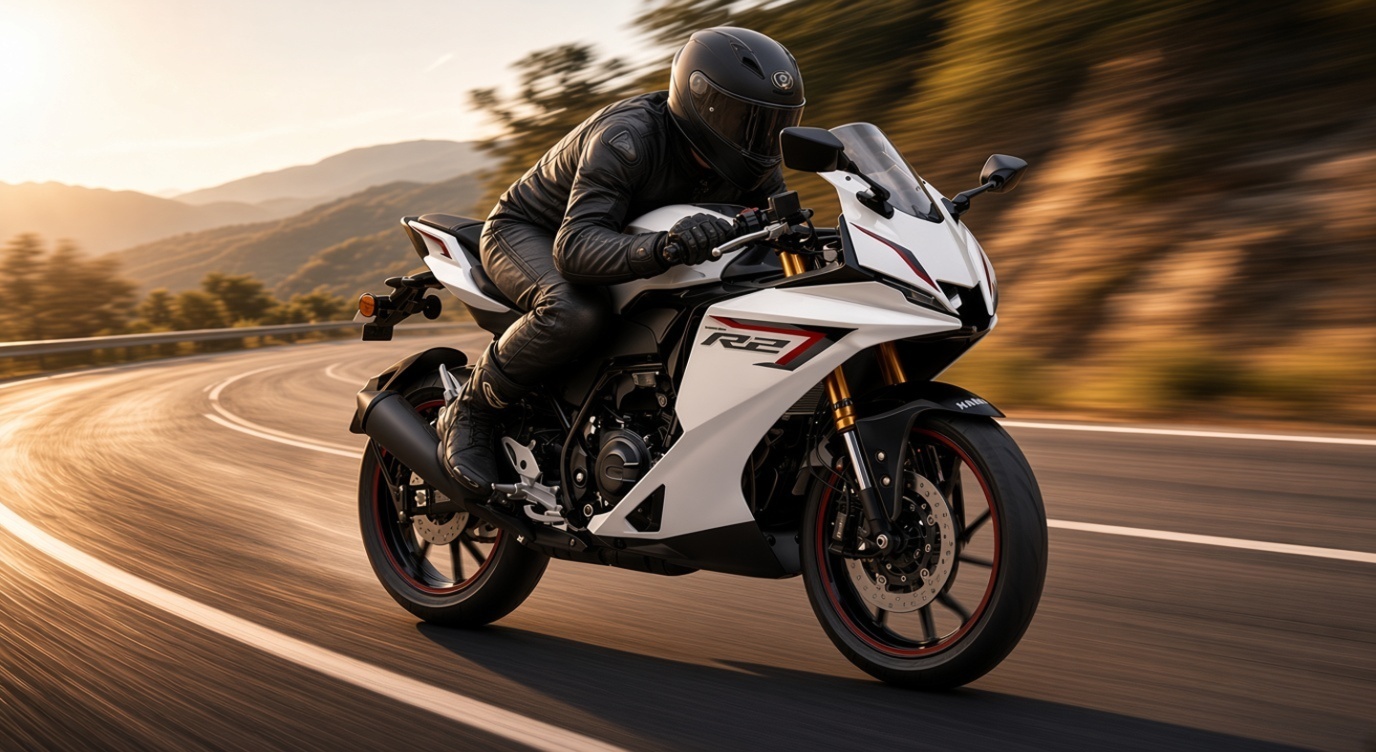
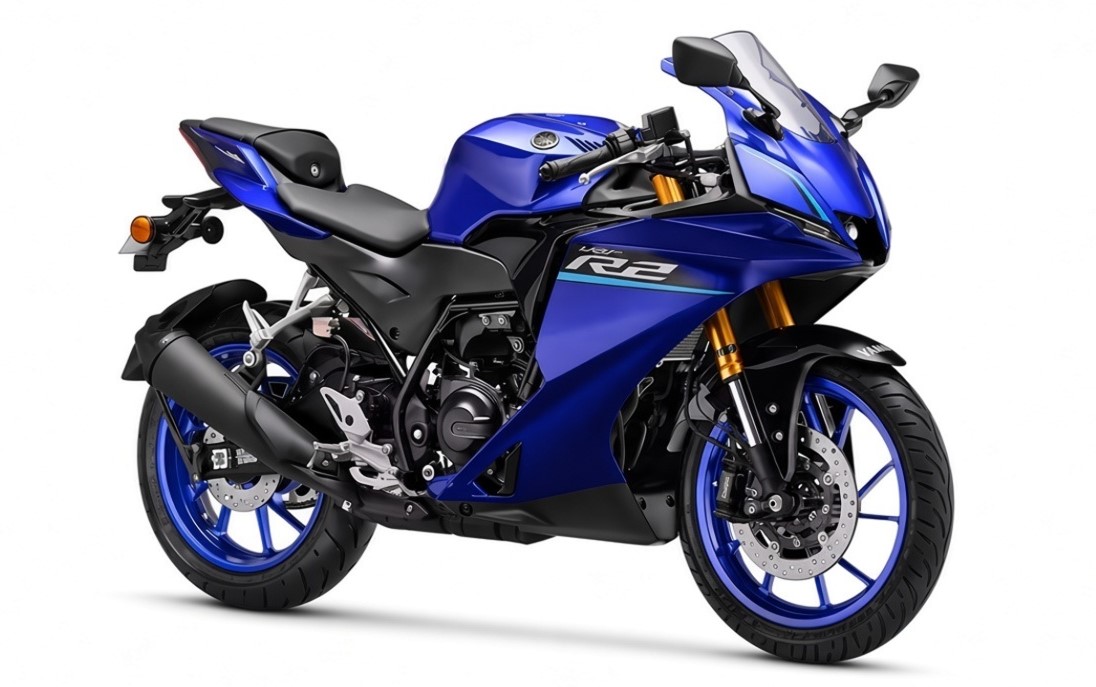
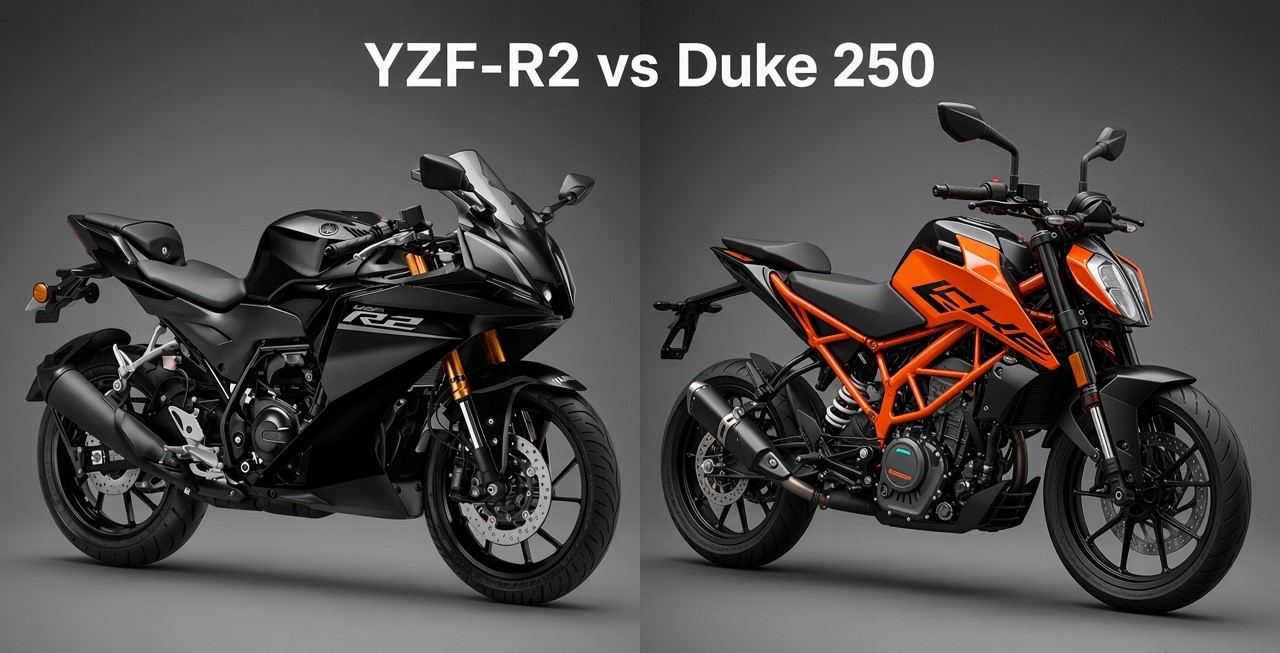
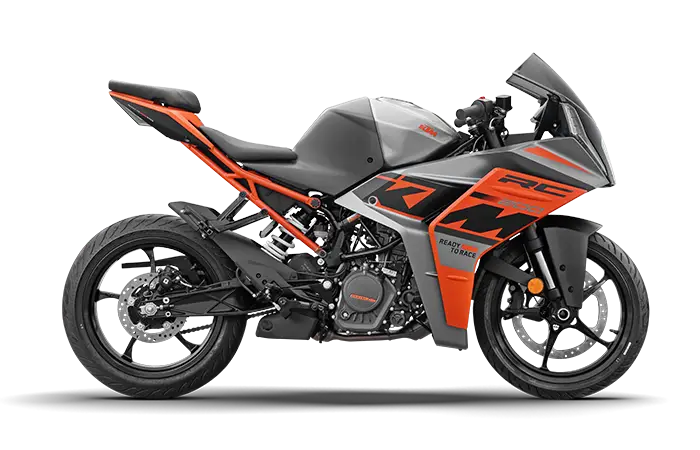
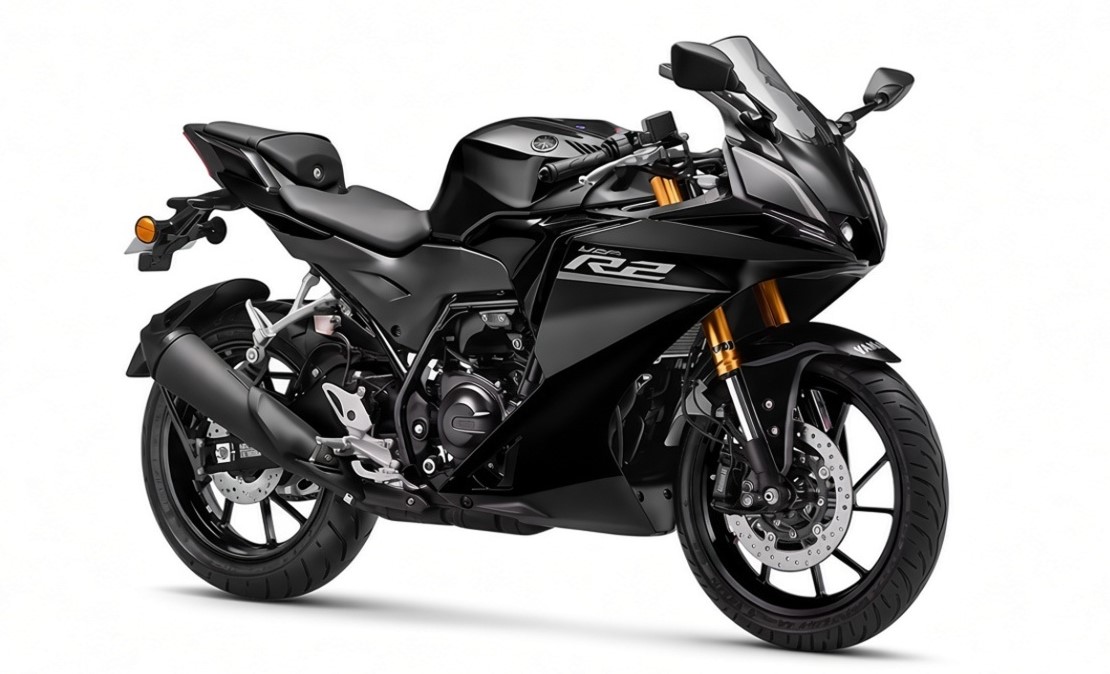
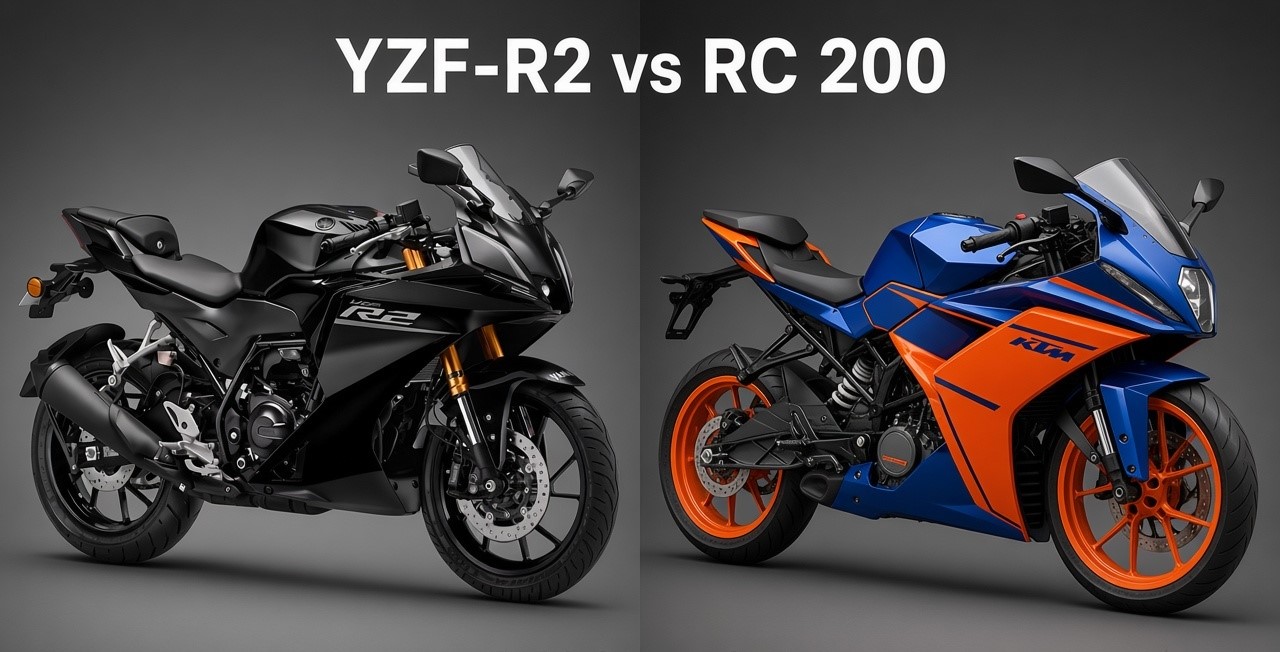
The Yamaha YZF-R2 has finally entered the 200cc fully-faired segment in India, and the first bike everyone is comparing it with is the KTM RC 200. Both sit in the same price range (around ₹2.30–2.53 lakh ex-showroom), both are pure sports bikes, and both target young riders who want looks, performance and weekend fun. But once you dig deeper, the two machines feel quite different. This comparison is written after looking at official numbers, real ownership patterns in India, and how these bikes actually behave on our roads — not just brochure claims.
Price Comparison
Yamaha YZF-R2 starts at ₹2,30,500 (base), goes to ₹2,39,500 (Quickshifter) and tops out at ₹2,53,000 for the R2M. KTM RC 200 currently sits around ₹2,31,000–2,35,000 ex-showroom depending on the city and any ongoing offers. On pure price, they are almost neck-and-neck. The R2 gives you three clear variants, while the RC 200 is more of a single strong offering with occasional GP Edition graphics.
Engine & Performance
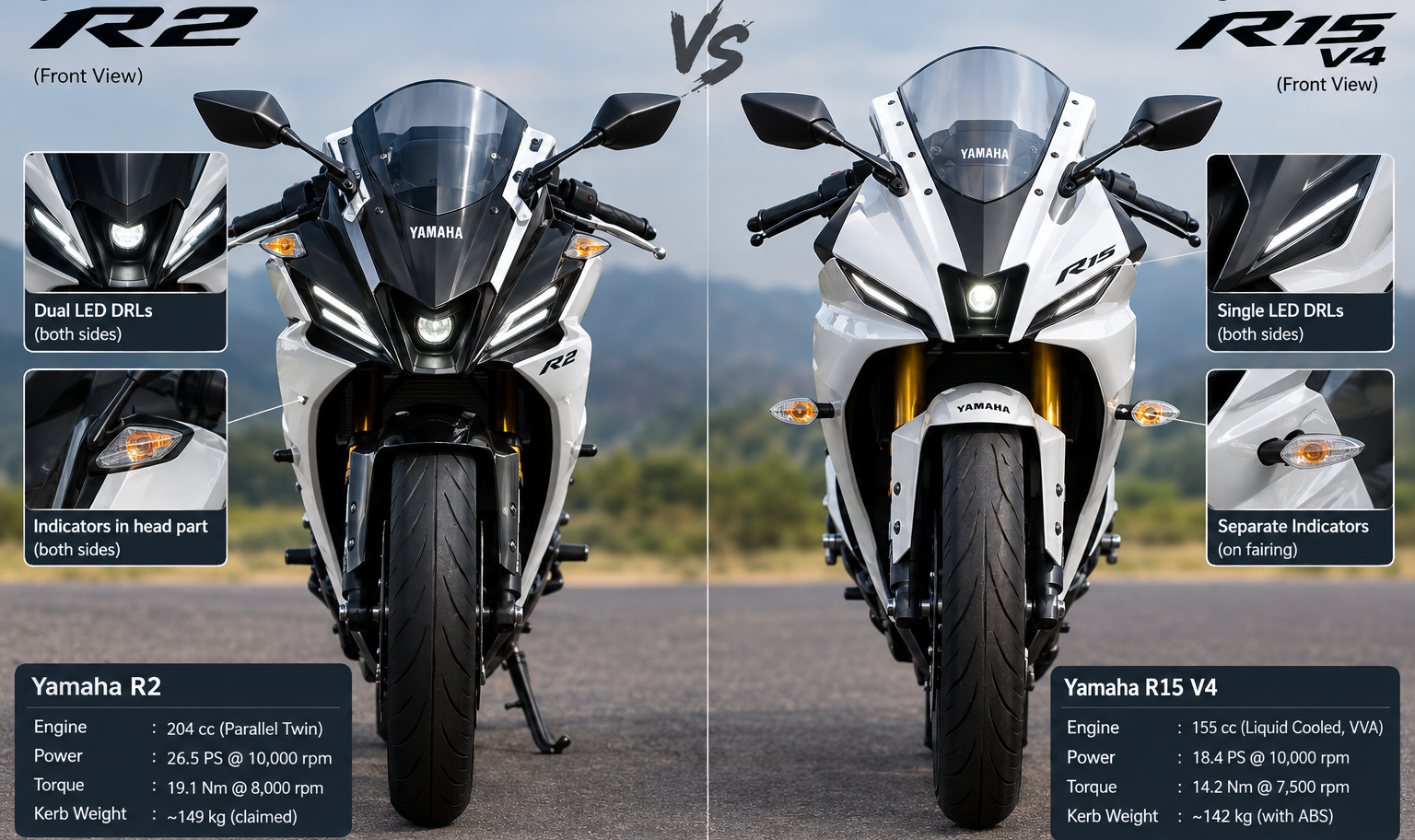
Yamaha R2: 204cc liquid-cooled single, 26.5 PS @ 10,000 rpm, 19.1 Nm @ 8,000 rpm. KTM RC 200: 199.5cc liquid-cooled single, 24.6–25 PS @ 10,000 rpm, 19.2 Nm @ 8,000 rpm. On paper the R2 has a clear power advantage of almost 1.5–2 PS. Combined with its much lower weight, the Yamaha should feel quicker in real-world acceleration, especially in the mid-range and top-end. Torque figures are almost identical, so low-speed tractability will be similar. The R2’s engine also uses DLC-coated finger-follower rockers (R1-derived tech), which should make it smoother and more refined at higher revs.
Weight & Handling Feel
This is where the biggest difference lies. Yamaha R2 kerb weight: 149 kg (150 kg for R2M) KTM RC 200 kerb weight: 160 kg The R2 is a full 11 kg lighter. In the 200cc class that is a massive gap. On tight Indian city roads, U-turns, and quick direction changes, the Yamaha will feel noticeably more agile and easier to throw around. KTM still has the advantage of thicker 43 mm WP Apex USD forks and a fully adjustable rear monoshock (10-step). The R2 uses 37 mm USD forks (adjustable only on the top R2M variant). So while the Yamaha is lighter and sharper, the KTM feels more planted and confidence-inspiring when you push hard on broken highways or track days.
Braking & Safety
KTM RC 200 gets a bigger 320 mm front disc with radial caliper and 230 mm rear. It also offers Supermoto ABS mode — very useful if you like aggressive corner exits. Yamaha R2 uses a 282 mm front disc with a four-piston radial caliper and 220 mm rear. Dual-channel ABS is standard on both, and the R2 adds traction control across the range. In pure stopping power the KTM has a slight edge because of the larger disc. In everyday safety the R2’s traction control and lighter weight balance things out.
Features & Electronics
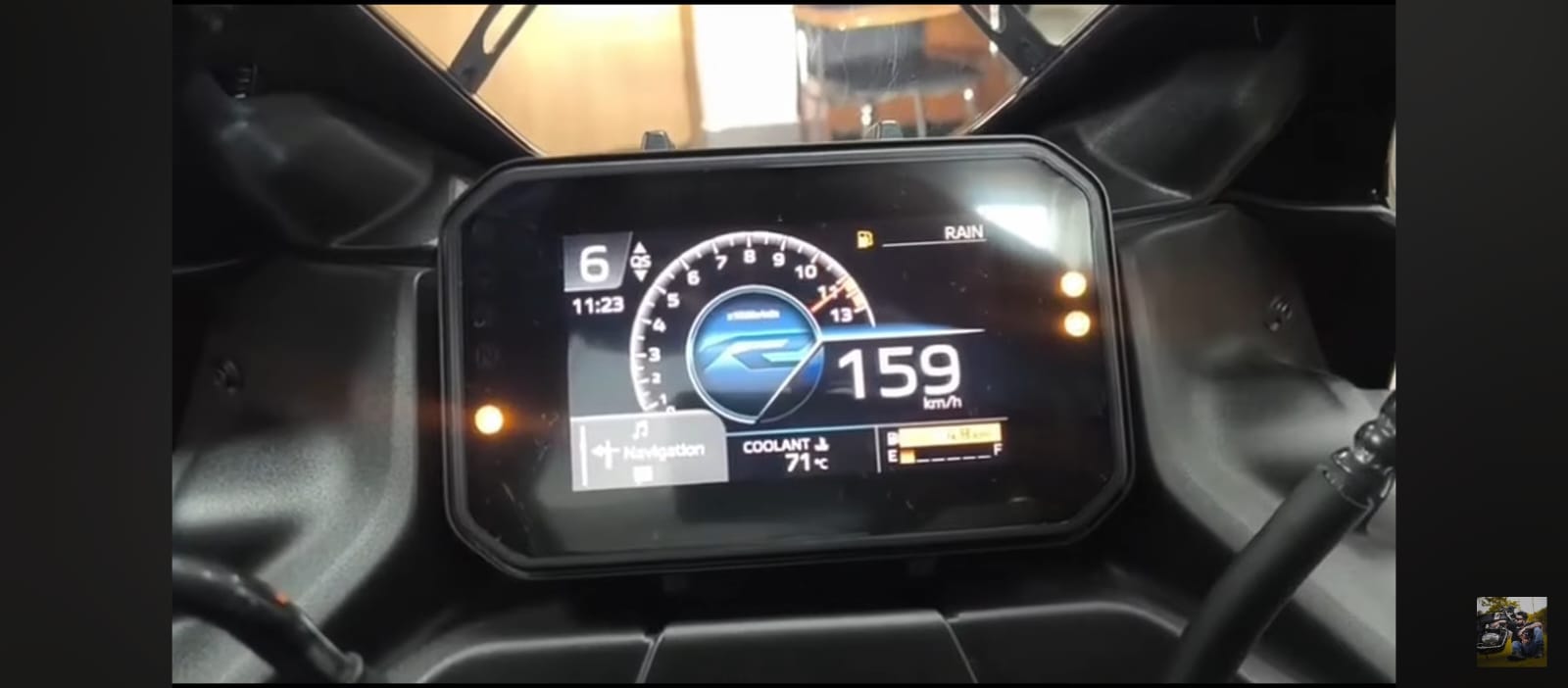
Both bikes now come with colour TFT screens and Bluetooth connectivity. Yamaha R2 advantages: • Three riding modes (Street, Sport, Rain) + Custom mode on higher variants • Bi-directional quickshifter (on Quickshifter and R2M variants) • Traction control as standard • Y-Connect app with navigation KTM RC 200 advantages: • WP Apex suspension with better adjustability • Supermoto ABS mode • Slightly larger fuel tank (13.7 L vs 12 L) If you love gadgets and modern electronics, the R2 feels more complete. If you prioritise suspension hardware and track-oriented features, the RC 200 still holds its ground.
Ride Quality & Real Indian Roads
On smooth highways both bikes are enjoyable. The R2’s lighter weight and R-series aerodynamics make high-speed cruising less tiring. The RC 200 feels more solid and planted when the road surface turns rough. In city traffic the Yamaha is clearly easier — lower seat height (810 mm vs 835 mm), lighter feel, and slightly better ground clearance (170 mm vs 158 mm). Long rides: KTM’s larger tank gives better range. Yamaha’s more refined engine and lighter weight make it less fatiguing over 200–300 km stretches.
Mileage Expectation
KTM RC 200 real-world mixed mileage usually settles around 32–38 kmpl. Yamaha R2 is expected to return around 38–42 kmpl in mixed conditions thanks to lower weight and more modern engine tech. Highway figures for the R2 should comfortably cross 42–45 kmpl if you ride sensibly.
Who Should Buy Which?
Buy the Yamaha YZF-R2 if: • You want the lightest, most agile bike in the segment • You like modern electronics (riding modes, quickshifter, traction control) • You do a mix of city + highway and value refinement • You prefer the sharp R-series looks and lower seat height Buy the KTM RC 200 if: • You want thicker suspension hardware and a more track-ready feel • You prefer the aggressive KTM character and sharper power delivery • You value a larger fuel tank and Supermoto ABS • You already like the RC family and want proven ownership experience
Final Verdict
The Yamaha YZF-R2 is the more modern, lighter and feature-rich package. It feels like a proper step up from the R15 and finally gives Yamaha a strong fighter in the 200cc fully-faired space. The KTM RC 200 is still the more hardcore, suspension-focused machine that many riders prefer when they want pure aggression and track capability. If your riding is mostly city + weekend highways, the R2 makes more sense in 2026. If you regularly push hard on twisty roads or occasional track days, the RC 200 still has its unique charm. Both are excellent bikes — just pick the one that matches your riding style rather than just the brochure numbers.
Explore More
Related Reads: • Yamaha YZF-R2 Top Speed 2026 – Real Gear-wise Estimates • Yamaha YZF-R2 Mileage 2026 – Real City & Highway Figures • Yamaha YZF-R2 Full Review 2026 • Best 200cc Sports Bikes in India 2026 • KTM RC 200 Long-Term Ownership Review