Two Wheeler Specifications Guides & Articles
Explore detailed guides about bike engine specifications, electric bike battery performance, scooter mileage, braking systems, and modern two-wheeler technology. Learn how different specifications affect performance, efficiency, and riding comfort to help you choose the right vehicle.
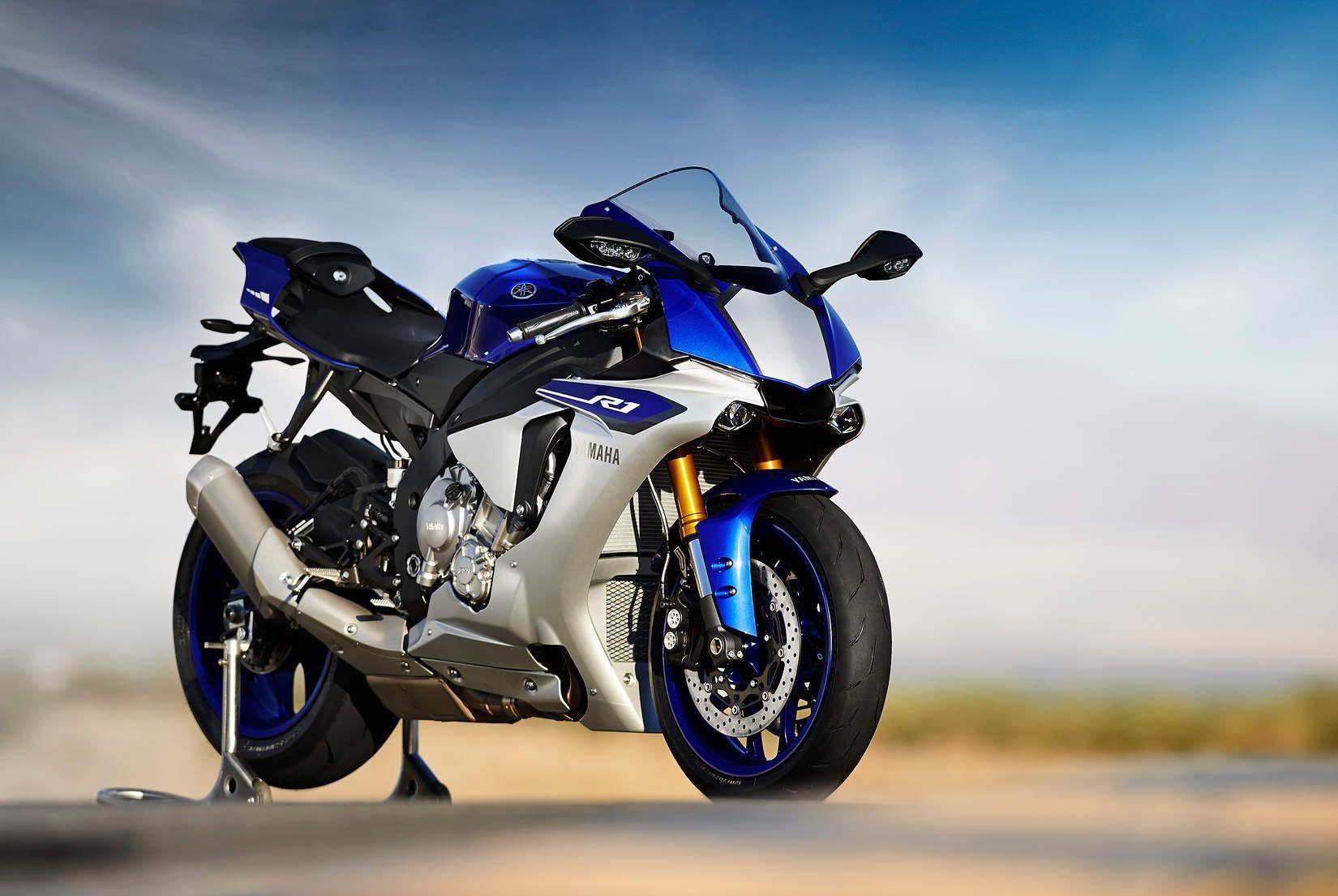
Understanding Bike Engine Specifications
Bike engine specifications determine overall performance, power delivery, and riding comfort. Important factors include engine capacity (CC), horsepower, torque output, fuel injection system, cooling technology, and transmission type. Higher CC engines usually provide stronger power, while optimized torque improves acceleration in city traffic and highways. Modern motorcycles use refined engine technology to improve mileage and reduce vibration. Understanding engine specifications helps buyers choose vehicles suitable for commuting, touring, and performance riding needs.
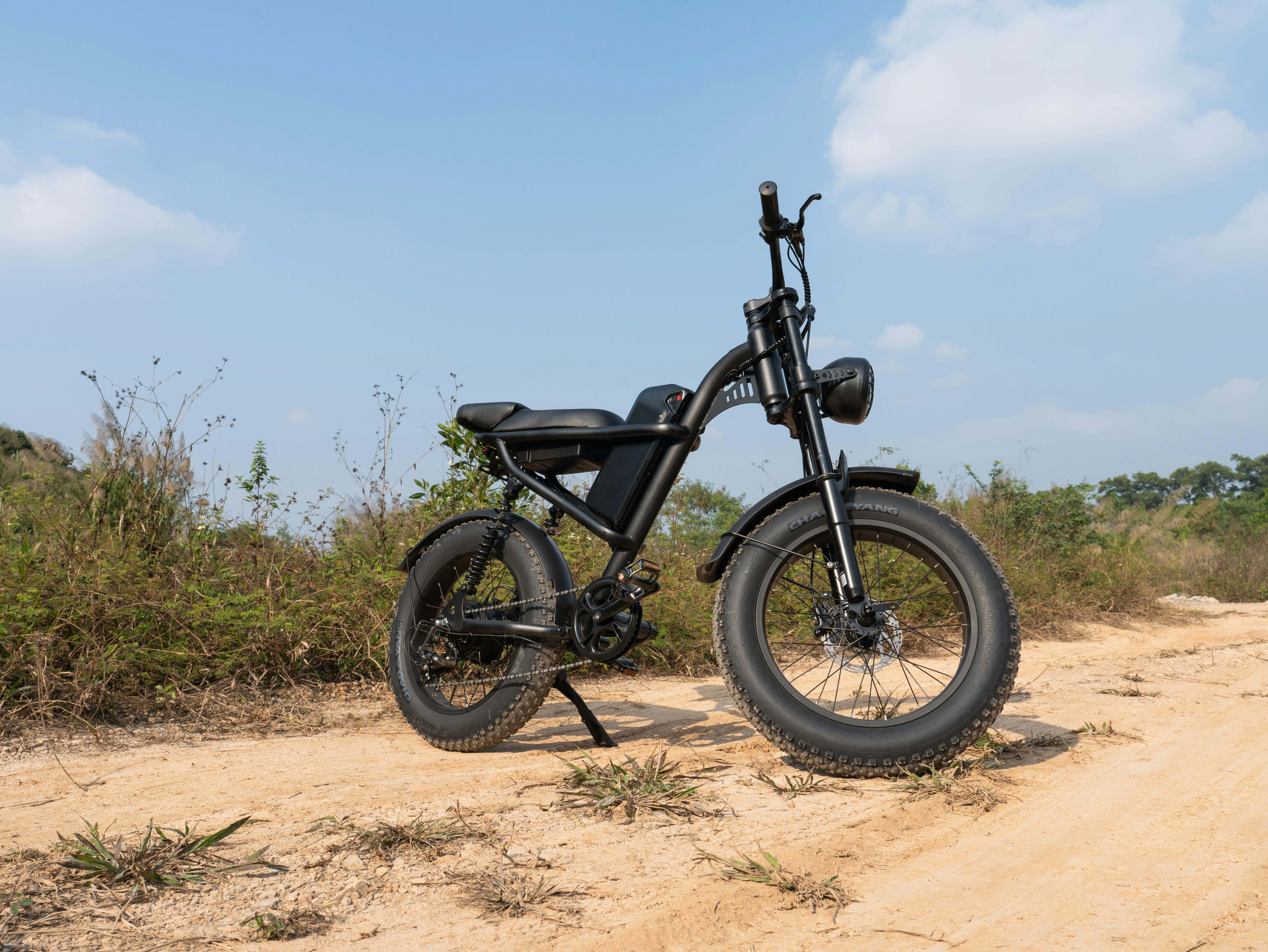
Electric Bike Battery and Motor Guide
Electric bikes rely on battery capacity and motor efficiency to deliver smooth performance. Battery size determines range, while motor wattage affects acceleration and load capacity. Charging time depends on charger technology and battery design. Electric vehicles reduce fuel expenses and maintenance costs. Understanding EV specifications helps riders select efficient vehicles based on daily travel distance and charging convenience.
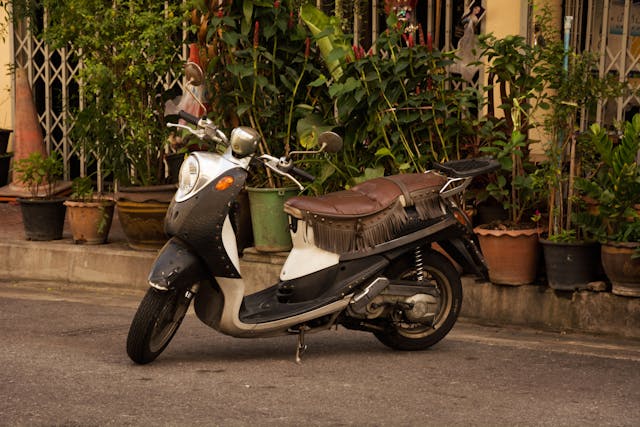
Scooter Mileage Comparison Guide
Mileage is an important factor for daily commuting scooters. Fuel efficiency depends on engine tuning, riding habits, traffic conditions, and vehicle weight. Modern scooters use fuel injection technology to optimize fuel consumption. Choosing high mileage scooters reduces running cost and improves long-term savings. Comparing mileage helps riders select cost-effective vehicles for everyday travel.
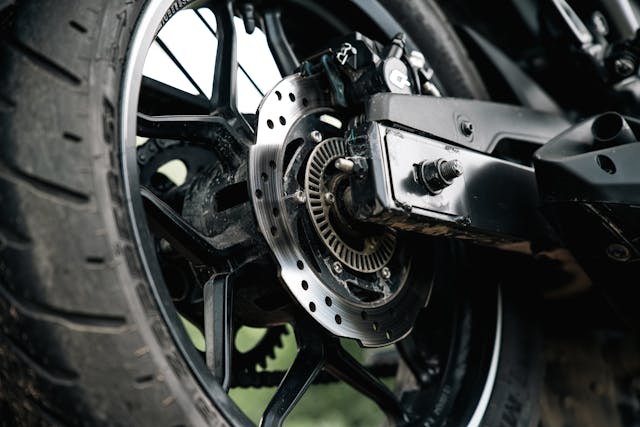
ABS vs Disc Brakes Explained
ABS braking technology prevents wheel locking during sudden braking and improves stability. Disc brakes provide strong stopping power and better heat dissipation compared to drum brakes. Combined braking systems improve rider control and safety. Understanding braking systems helps riders select safer motorcycles with better performance in emergency situations.
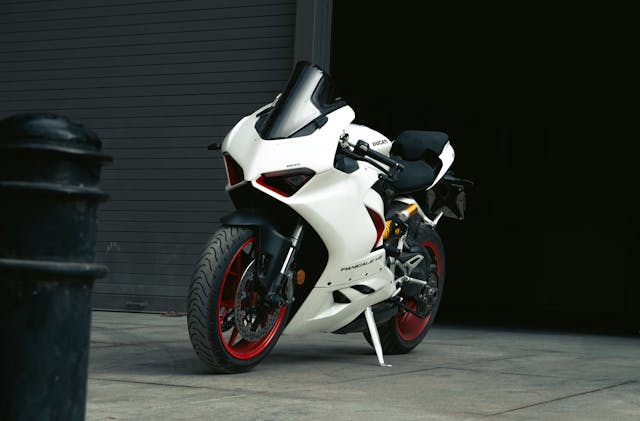
Modern Bike Features and Technology
Modern bikes include smart features such as digital instrument clusters, bluetooth connectivity, navigation systems, traction control, and LED lighting. These features improve safety and riding comfort. Technology helps riders track performance, mileage, and trip information accurately while providing better convenience.
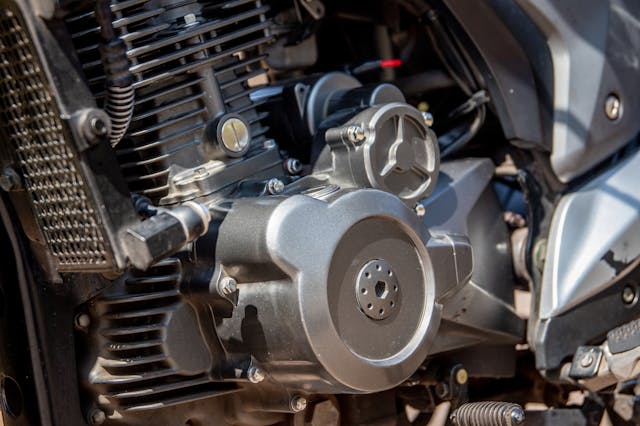
150cc vs 200cc Engine Difference
150cc bikes provide better fuel efficiency and smooth city riding experience. 200cc bikes produce higher power and torque, suitable for highway riding and performance usage. Choosing engine capacity depends on riding needs, fuel economy expectations, and comfort preferences.
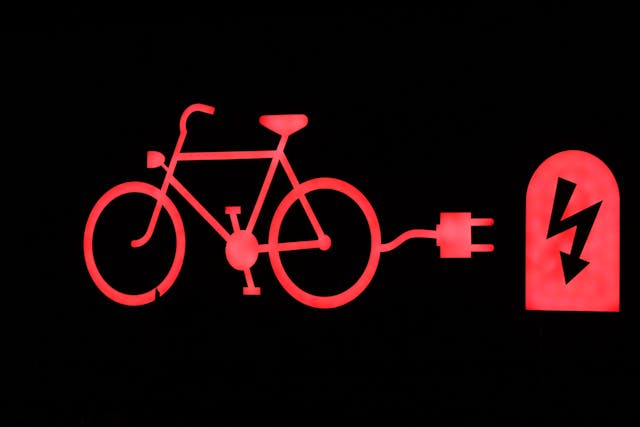
Electric Scooter Charging Time Guide
Charging time varies depending on battery capacity and charger output power. Fast charging reduces waiting time and improves convenience for daily commuters. Battery health depends on proper charging cycles and recommended charger usage. Understanding charging specifications helps riders plan travel efficiently.
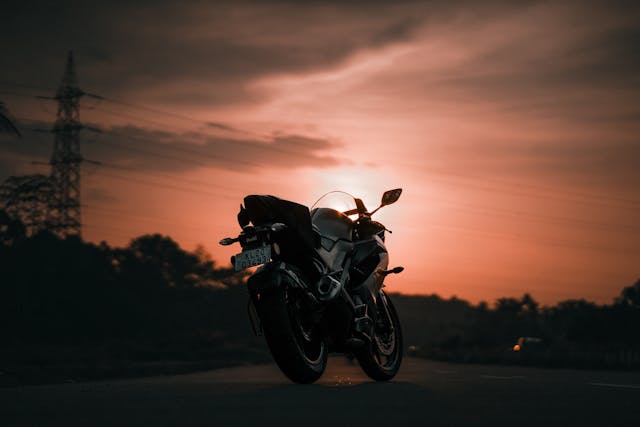
Top Mileage Bikes for Daily Use
Fuel efficient motorcycles reduce daily expenses and improve long-term savings. Lightweight design and optimized engine tuning help improve kilometers per liter performance. Comparing mileage helps riders select economical bikes suitable for daily commuting.
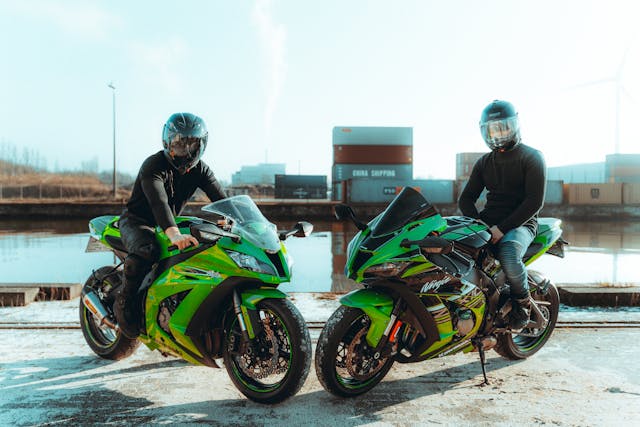
Torque vs Horsepower Explained
Torque determines pulling power and acceleration, while horsepower affects top speed. Balanced engine output ensures smooth performance and efficient riding experience. Understanding power delivery helps riders choose bikes based on performance expectations.
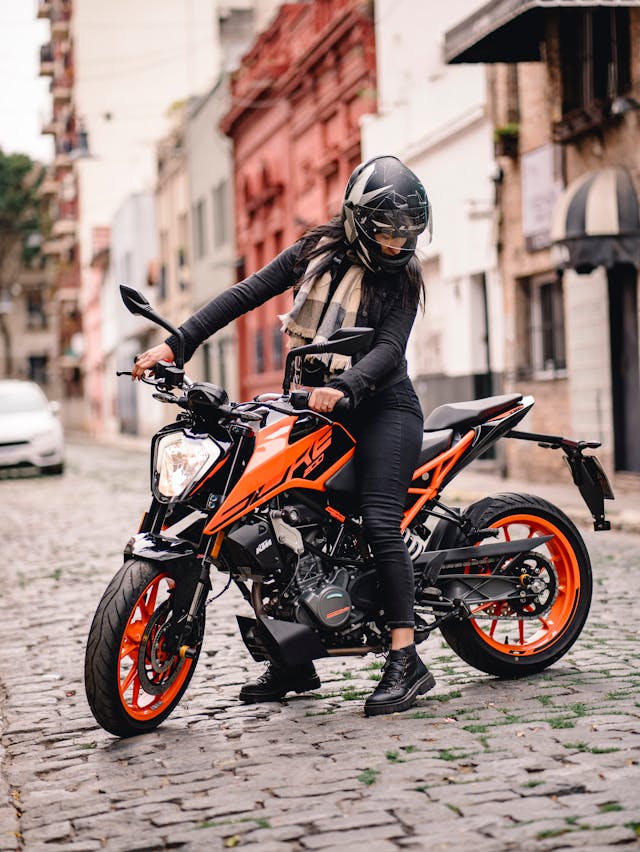
Best Bikes for City Riding Comfort
City commuting requires comfortable seating, smooth handling, good mileage, and reliable braking. Lightweight motorcycles improve maneuverability in traffic conditions. Choosing suitable bikes improves riding comfort and reduces fatigue during daily travel.