Triumph Daytona 675: History, Generations & Evolution of an Iconic Supersport
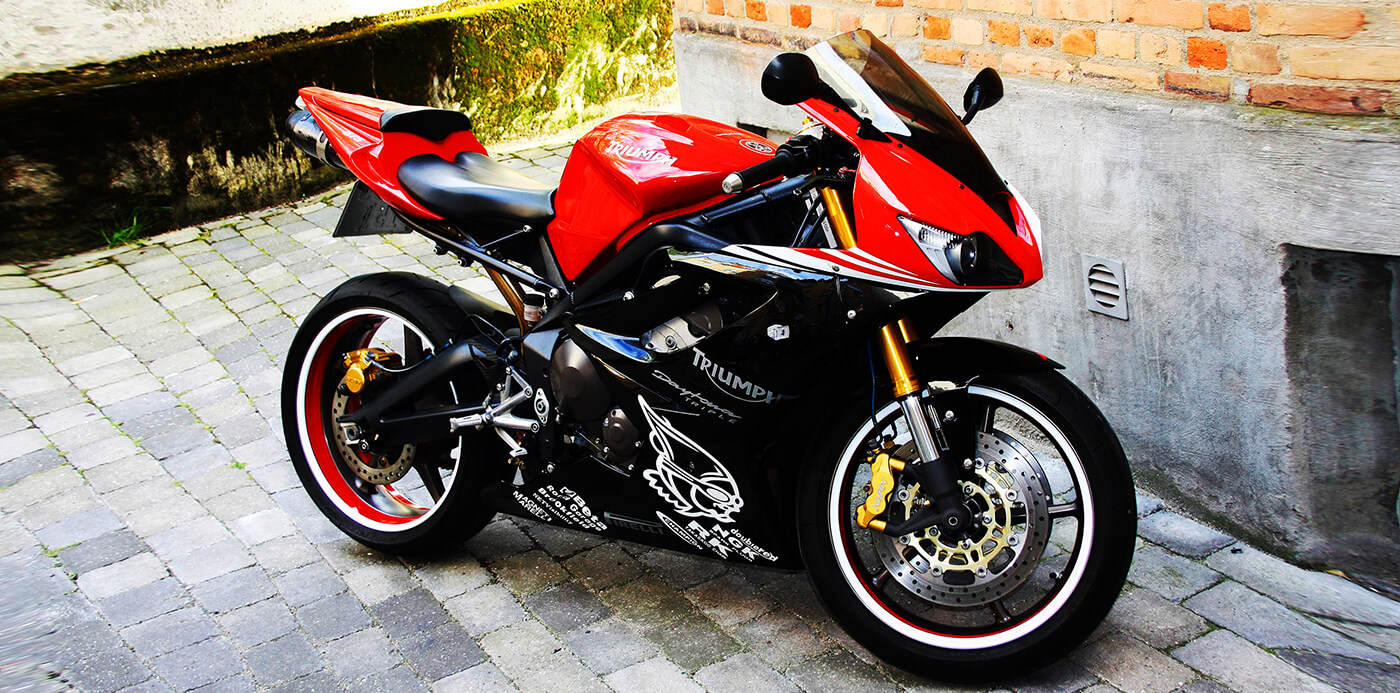
The Beginning of the Triumph Daytona 675
The Triumph Daytona 675 arrived in 2006 and brought a different approach to the middleweight supersport category. At a time when many competitors relied on 600cc four-cylinder engines, Triumph introduced a 675cc inline-three configuration. This gave the motorcycle a distinctive character, combining strong mid-range performance with an exciting high-revving nature. Its compact design, aggressive riding position and race-inspired chassis quickly helped it attract attention among sports bike enthusiasts.
The First Generation and Its Triple-Cylinder Identity
The original Daytona 675 established the foundation of the model's reputation. Its 675cc liquid-cooled engine delivered a distinctive combination of torque and high-revving performance. Rather than following the traditional four-cylinder formula, Triumph focused on making the motorcycle responsive across a wider part of the rev range. Its aluminium frame, sharp steering characteristics and sporty suspension helped create a focused riding experience for both road and track use.
The 2009 Update and Daytona 675 R
Triumph introduced important refinements to the Daytona 675 in 2009, improving the engine and updating several mechanical and styling details. The Daytona 675 R later took the package further with premium components aimed at more demanding riders. Depending on the version and model year, upgrades included Öhlins suspension, Brembo braking equipment and a quickshifter. These additions made the R version particularly attractive to riders interested in track days and more focused sports riding.
The 2013 Generation: A Major Evolution
The 2013 update brought another important chapter in the Daytona 675 story. Triumph revised the styling, engine and chassis, creating a more developed supersport motorcycle. The updated triple-cylinder engine produced up to approximately 128 PS in its higher-output specification, while the revised chassis focused on improved handling and rider confidence. The model continued to demonstrate why Triumph's three-cylinder approach was different from the conventional 600cc supersport formula.
Racing Success and the Daytona Legacy
The Daytona 675 was not simply designed to look like a racing motorcycle. It also built a strong competition record, including success in British and German Supersport racing and at the Isle of Man TT. One particularly memorable achievement came in 2014, when Danny Eslick won the Daytona 200 aboard a Daytona 675R. These achievements helped strengthen the model's reputation and connected its road-going identity with Triumph's racing ambitions.
Why the Daytona 675 Is Still Remembered
Although the Daytona 675 is no longer part of Triumph's regular production range, it continues to attract attention in the used motorcycle market and among sports bike enthusiasts. Its three-cylinder engine, distinctive exhaust note, focused chassis and racing background give it a personality that is difficult to confuse with other middleweight motorcycles. For many riders, the Daytona 675 represents an important period when manufacturers experimented with different engine configurations in the supersport category.
Final Thoughts
The Triumph Daytona 675 remains one of the most memorable motorcycles in the company's modern sports bike history. From its original 2006 introduction to the later generation and racing-focused R models, it developed a strong identity through its triple-cylinder engine and balanced performance. Its legacy is not just about horsepower or speed, but about offering a different and engaging approach to the supersport motorcycle experience.
BikeDetailsHub · Motorcycle Blogs & Riding Guides