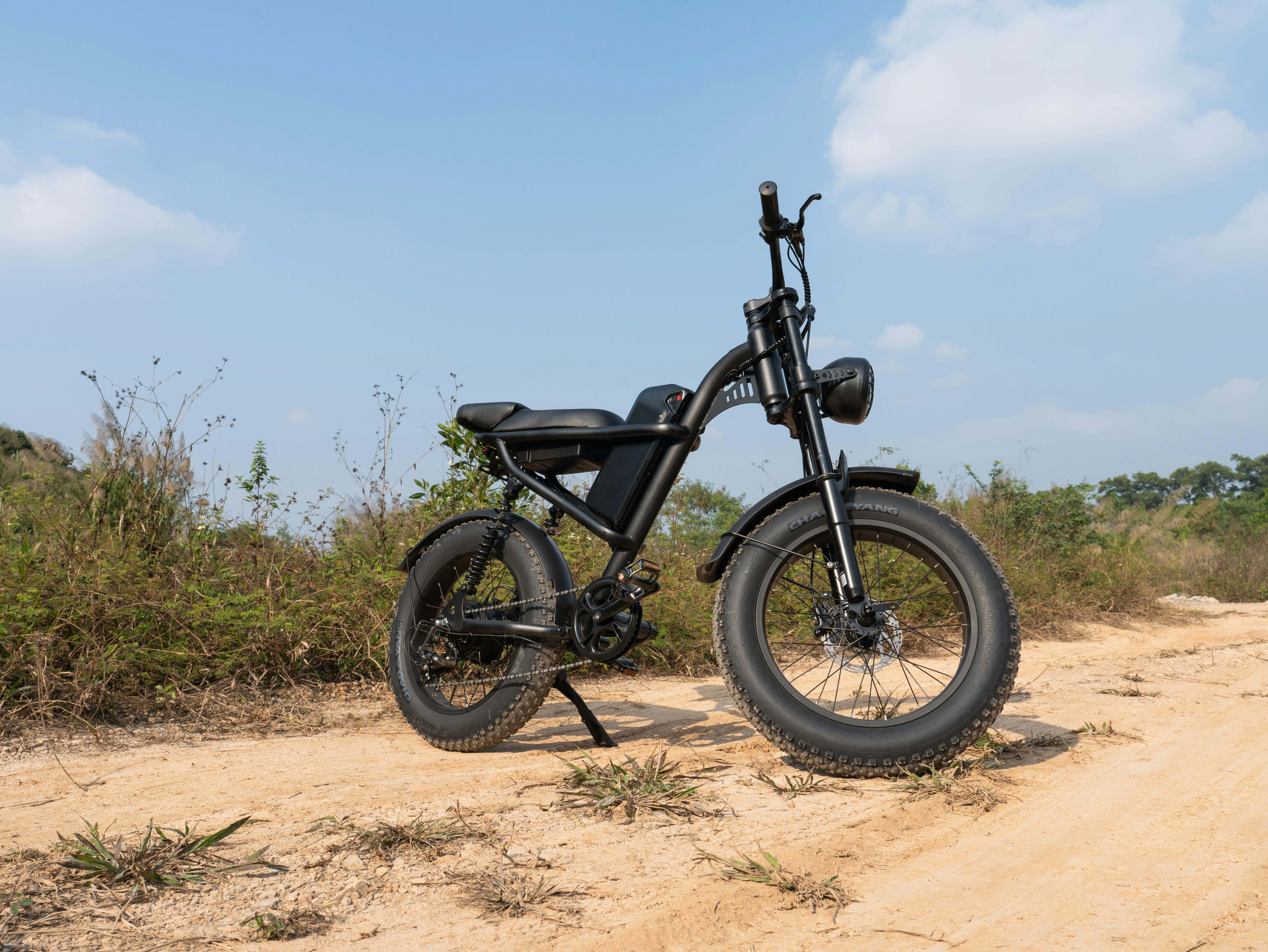
What Affects Bike Mileage? Real Factors I Noticed After Daily Riding
When I first bought my bike, I expected it to give the mileage that the company had claimed. But after a few weeks of daily riding, I noticed something surprising—the mileage kept changing.
Some days it felt good, while on other days it dropped without any clear reason. That’s when I realized that mileage is not fixed. It depends on how you ride and how you maintain your bike.
After months of regular use, I started noticing patterns. In this guide, I’m sharing the real factors that actually affect bike mileage.
Mileage is not controlled by just one thing. It’s a combination of multiple factors working together. Even small habits can make a big difference over time.
Here are the most important factors I personally noticed during daily riding.
1. Riding Style
This is the biggest factor affecting mileage. When I used to accelerate aggressively and brake suddenly, my mileage dropped noticeably.
But when I started riding smoothly, maintaining a steady speed, and avoiding unnecessary acceleration, the mileage improved.
- Smooth riding → better mileage
- Aggressive riding → lower mileage
Your riding habits have a direct impact on fuel consumption.
2. Traffic Conditions
City traffic plays a major role in reducing mileage. Frequent stopping and starting uses more fuel.
In heavy traffic, your engine keeps working, but the bike is not moving efficiently. This reduces overall mileage.
On highways, where speed is consistent, the mileage is usually much better.
- City traffic → lower mileage
- Highway riding → better mileage
3. Speed and Gear Usage
Riding at very high speeds can reduce mileage. Similarly, using the wrong gear for your speed also affects fuel efficiency.
I noticed that maintaining a moderate speed and using proper gears improved mileage significantly.
Smooth and controlled riding always gives better results.
4. Tyre Pressure
This is something many people ignore. Even I didn’t pay attention to it initially.
When tyre pressure is low, the bike requires more effort to move, which increases fuel consumption.
Keeping tyres properly inflated helps improve mileage and riding stability.
5. Bike Maintenance
A well-maintained bike always performs better. Dirty air filters, old engine oil, or poor servicing can reduce mileage.
After servicing my bike regularly, I noticed smoother performance and slightly better mileage.
- Regular servicing improves efficiency
- Clean engine runs better
6. Fuel Quality
Fuel quality also affects mileage. Using poor-quality fuel can reduce engine efficiency.
I started refueling from trusted petrol pumps, and the bike felt smoother.
Better fuel quality leads to better combustion, which improves mileage.
7. Load and Weight
Carrying extra weight on the bike also impacts mileage.
When riding with a pillion or heavy luggage, the engine works harder, which increases fuel consumption.
This is normal, but it’s something to keep in mind.
8. Weather and Road Conditions
Road conditions and weather can also affect mileage. Riding on rough roads or in bad weather requires more effort from the engine.
Smooth roads always give better mileage compared to uneven or damaged roads.
Why Mileage Keeps Changing
After understanding all these factors, I realized why mileage is never constant.
It changes depending on your daily conditions— traffic, riding style, road quality, and how well the bike is maintained.
So if your bike is not giving expected mileage, the problem is usually not the bike itself. It’s the riding conditions and habits.
Final Thoughts
Bike mileage is not a fixed number. It’s something that changes based on how you ride and maintain your bike.
By improving your riding style and taking care of your bike, you can get the best possible mileage in real conditions.
Focus on smooth riding, proper maintenance, and smart habits—and you’ll see the difference.