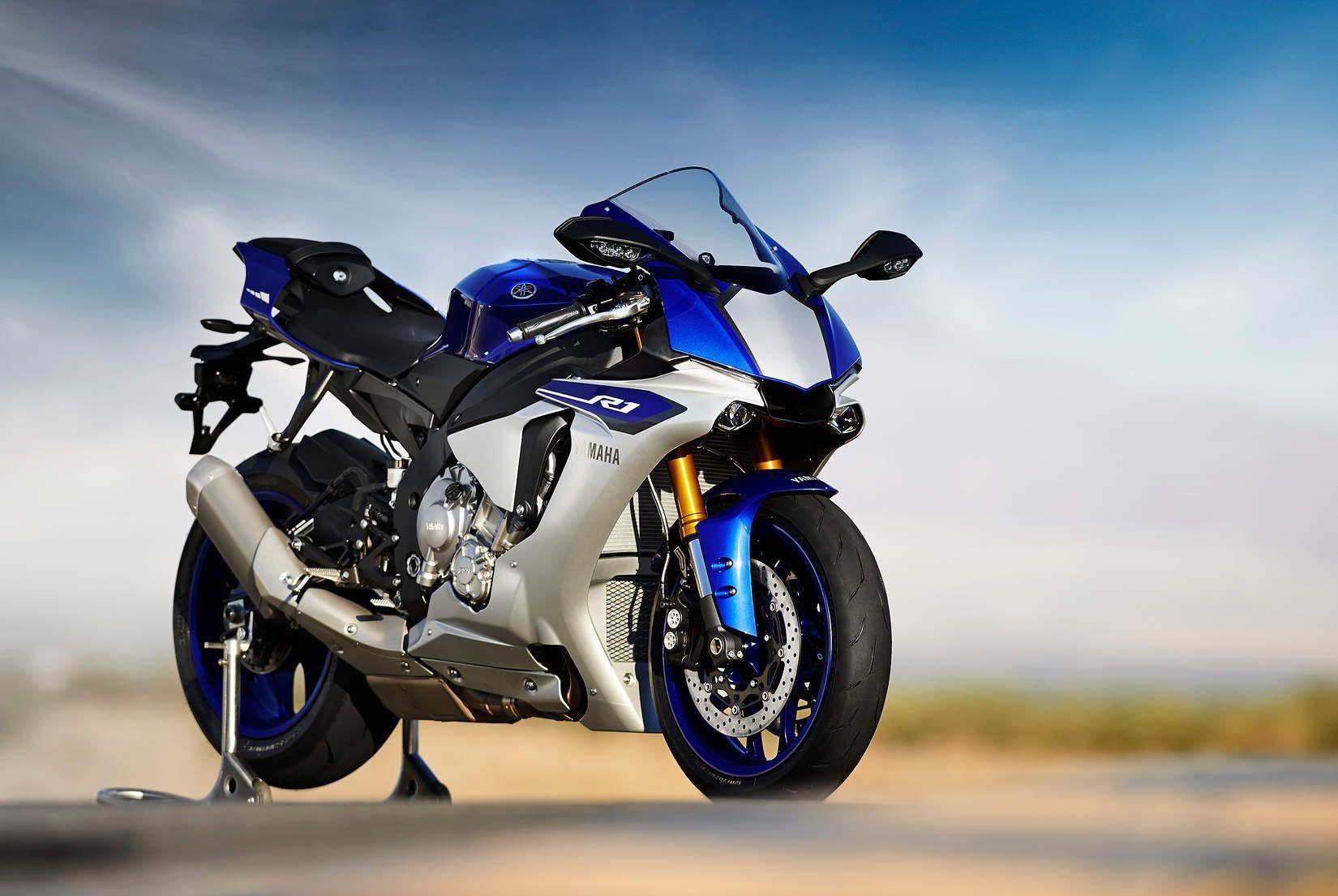
What is Bike Mileage? Simple Meaning Every Rider Should Know
When I first heard the word “mileage,” I honestly thought it was just a number used in advertisements to attract buyers. It didn’t seem like something that would matter much in real life.
But after owning and riding a bike daily, I quickly realized that mileage is one of the most important factors that affects your overall cost and riding experience.
If you are new to bikes or confused about what mileage really means, this simple guide will help you understand it clearly with real experience.
Mileage is simply the distance your bike can travel using one liter of fuel. It is usually measured in kilometers per liter (km/l).
For example, if your bike gives a mileage of 50 km/l, it means your bike can travel 50 kilometers using one liter of petrol.
At first, this sounds like a simple number, but in real life, it directly affects how much money you spend on fuel every month.
1. Why Mileage Matters So Much
When I started riding daily, I realized how quickly fuel expenses add up. Even a small difference in mileage can make a big impact over time.
For example, a bike that gives better mileage can save a lot of money if you use it every day for commuting.
That’s why many riders in India give high importance to mileage, especially for daily use.
- Higher mileage → lower fuel cost
- Lower mileage → higher running expense
2. Company Mileage vs Real Mileage
One important thing I learned is that the mileage shown by companies is not always what you get in real life.
Bike companies test mileage under ideal conditions— smooth roads, steady speed, and no traffic.
But in real riding conditions, things are completely different.
Traffic, braking, road conditions, and riding style all affect mileage.
That’s why your actual mileage will usually be lower than the claimed number.
3. What Affects Mileage in Real Life
After using my bike regularly, I noticed several factors that directly impact mileage.
- Riding style: aggressive riding reduces mileage
- Traffic: frequent stops and slow movement use more fuel
- Speed: very high speeds reduce efficiency
- Maintenance: poorly maintained bikes give lower mileage
- Road conditions: bad roads increase fuel consumption
Understanding these factors helped me improve my mileage over time.
4. How I Improved My Bike’s Mileage
Initially, I wasn’t getting good mileage, and I thought something was wrong with my bike.
But after making a few simple changes, I noticed a clear improvement.
- Maintained a steady speed
- Avoided sudden acceleration and braking
- Kept proper tire pressure
- Serviced the bike regularly
These small habits made a big difference in real usage.
5. Ideal Mileage for Different Riders
Mileage importance depends on how you use your bike.
- Daily commuters → high mileage is very important
- Weekend riders → mileage matters less
- Performance lovers → power may be more important
So the “best mileage” depends on your usage.
6. Mileage vs Performance
One thing I understood clearly is that you cannot always get both high mileage and high performance.
Bikes with more power usually consume more fuel, while highly efficient bikes may feel less powerful.
So it’s important to find a balance based on your needs.
Final Thoughts
Mileage is not just a number—it directly affects your daily cost and long-term ownership experience.
Understanding how mileage works helps you make better decisions when buying and riding a bike.
Ride smoothly, maintain your bike properly, and you will get the best possible mileage in real conditions.