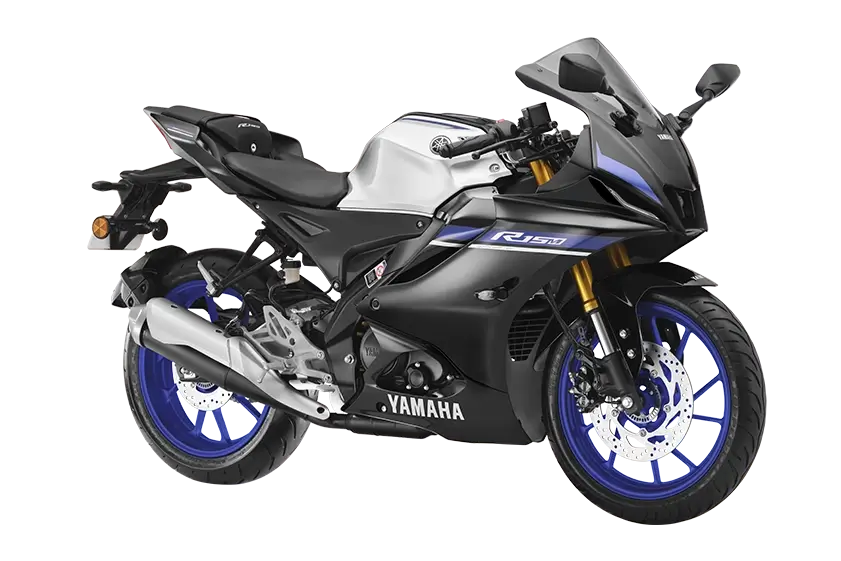
Bike Buying Guide 2026 – How to Choose the Right Bike
Buying a bike in 2026 is not as simple as it looks. With hundreds of models available in the market, each offering different features, performance levels, and pricing, choosing the right bike can feel confusing—especially for beginners.
Many people think buying a bike is just about choosing something stylish or powerful. But in reality, it’s about selecting a machine that fits your daily life, your budget, and your long-term needs.
This guide is based on real showroom experience, test rides, and practical factors that actually matter in everyday riding conditions. If you follow these points carefully, you can avoid common mistakes and make a smart, confident decision.
When I went to buy my first bike, I thought I would just pick the most stylish one and leave. But once I entered the showroom and started exploring different options, I quickly realized how complex the decision actually is.
Sales representatives started talking about engine capacity, mileage, service intervals, maintenance cost, and resale value. That’s when I understood that buying a bike is not just about looks— it’s about making a practical choice that will affect your daily life for years.
From mileage and comfort to engine performance and long-term reliability, every factor plays an important role. Ignoring even one of these can lead to regret later.
1. Understand Your Daily Usage
The first and most important step before buying any bike is understanding how you will use it daily. This might sound simple, but most people completely ignore this step.
If your daily routine involves heavy traffic, short distances, and frequent stops, then you need a bike that is easy to handle, comfortable to ride, and fuel-efficient.
On the other hand, if you enjoy long rides or frequently travel on highways, you will need a bike with better power, stability, and braking performance.
- City riding → prioritize comfort, mileage, and smooth handling
- Highway riding → prioritize power, stability, and braking
- Mixed usage → choose a balanced bike
Choosing a bike that matches your real usage will make your daily experience much better.
2. Engine Capacity – 150cc vs 200cc
One of the most common confusions among buyers is choosing between 150cc and 200cc bikes. Both categories are popular and offer different advantages.
150cc bikes are generally lighter, more fuel-efficient, and easier to manage in city traffic. They are ideal for beginners and daily commuters.
200cc bikes provide more power and better performance, making them suitable for highway rides and long-distance travel. However, they may feel slightly heavier and consume more fuel.
- 150cc: better mileage, easier handling, lower maintenance
- 200cc: more power, better acceleration, highway comfort
Your choice should depend on your riding needs, not just what others recommend.
3. Comfort Matters
Comfort is one of the most important factors, but it is often ignored by buyers. A bike may look attractive and powerful, but if it is not comfortable, you will not enjoy riding it daily.
Seat height, cushioning, handle position, and suspension all contribute to comfort. These things cannot be judged by looking at specifications alone.
A bike that feels fine for a short ride may become uncomfortable during longer rides. That’s why test riding is extremely important.
Always make sure the bike suits your body type and riding posture. This will reduce fatigue and make your rides more enjoyable.
4. Mileage vs Performance
Mileage is one of the biggest concerns for most buyers, especially in India. However, focusing only on mileage can lead to poor decisions.
While a fuel-efficient bike saves money, it should not come at the cost of comfort and performance. Similarly, a high-performance bike with very low mileage may increase your daily expenses.
The best approach is to find a balance between mileage and performance.
- Daily commuters → mileage is more important
- Weekend riders → performance matters more
- Balanced users → choose a mid-range option
Think about your long-term usage before making a decision.
5. Maintenance and Service
Buying a bike is not just about the initial cost. Maintenance is a long-term factor that affects your overall experience.
Before buying, always check the availability of service centers in your area. Also, research the cost of spare parts and servicing.
- Check nearby service centers
- Compare maintenance costs
- Look at brand reliability
- Check availability of spare parts
A bike with low maintenance and good service support will save you time, money, and stress in the long run.
6. Budget Planning
Most buyers focus only on the price of the bike, but there are additional costs involved.
These include insurance, registration, fuel, and regular maintenance expenses.
- Bike price
- Insurance cost
- Registration charges
- Fuel expenses
- Service and maintenance
Planning your budget properly will help you avoid financial stress later. Always keep some extra buffer for unexpected expenses.
Final Thoughts
Choosing the right bike is not about buying the most expensive or most powerful option. It’s about finding a bike that fits your lifestyle perfectly.
Take your time, do proper research, and test ride multiple options before making a final decision.
A well-informed choice today will give you years of comfort, performance, and satisfaction.